












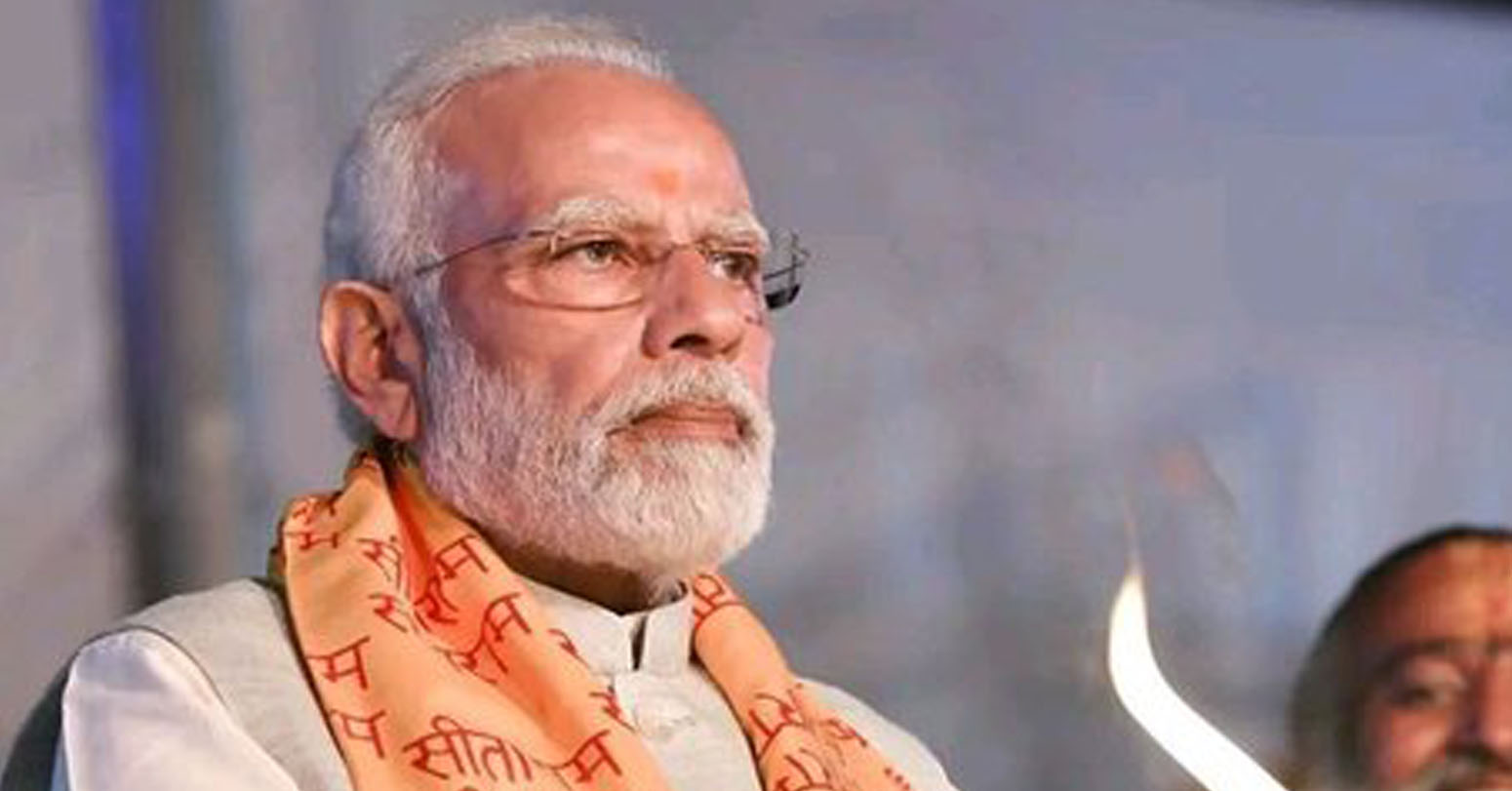

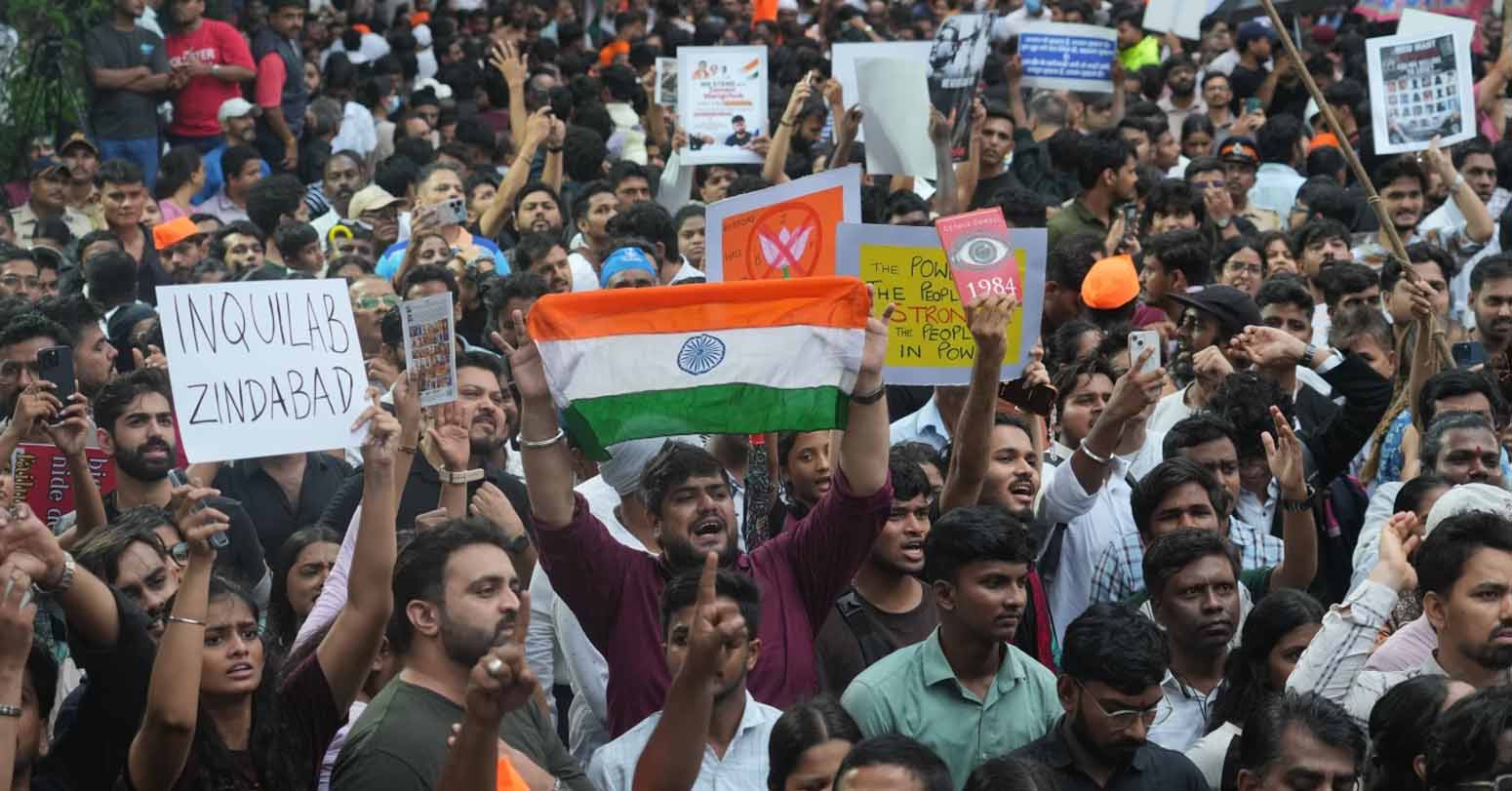
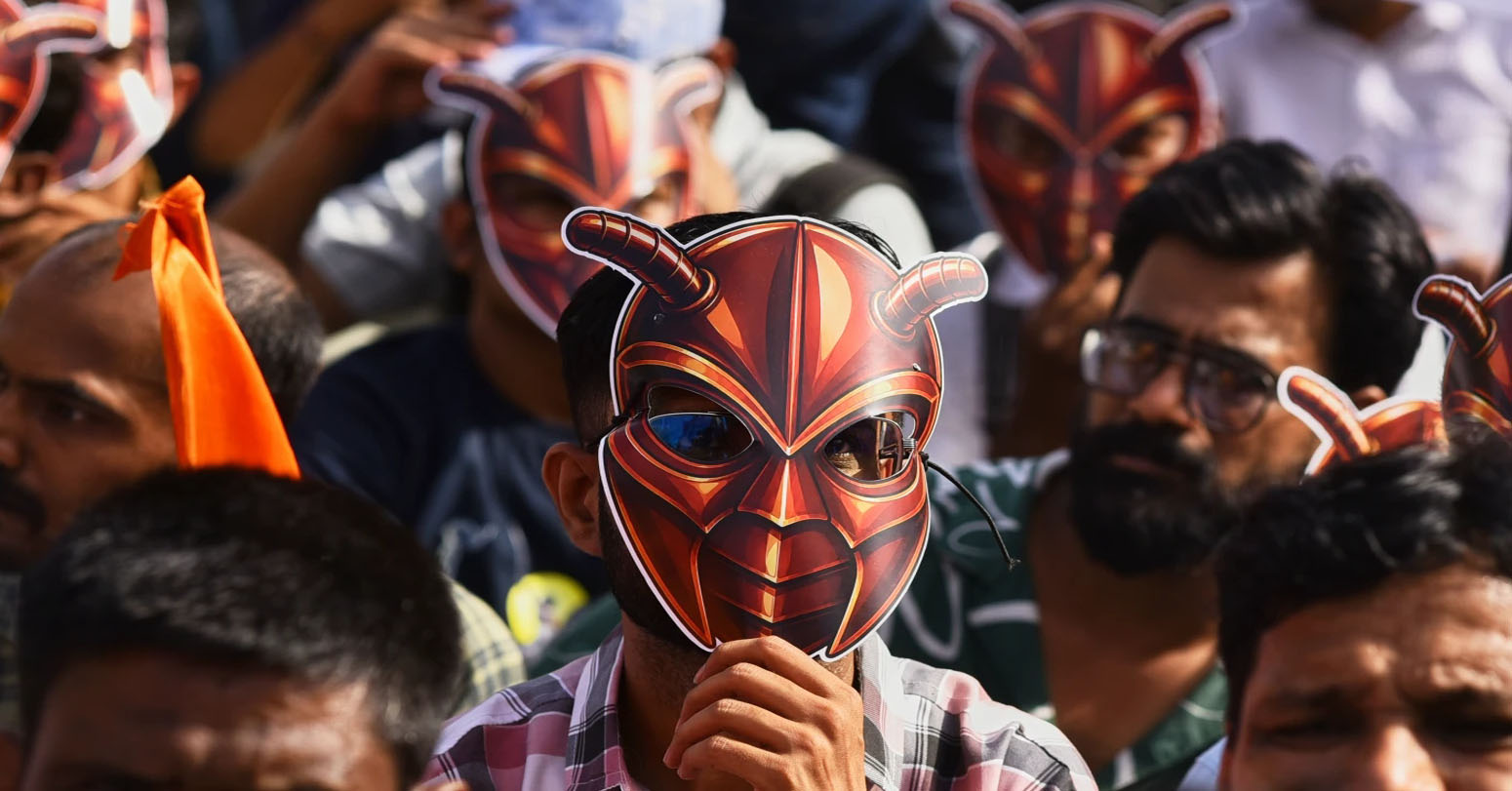
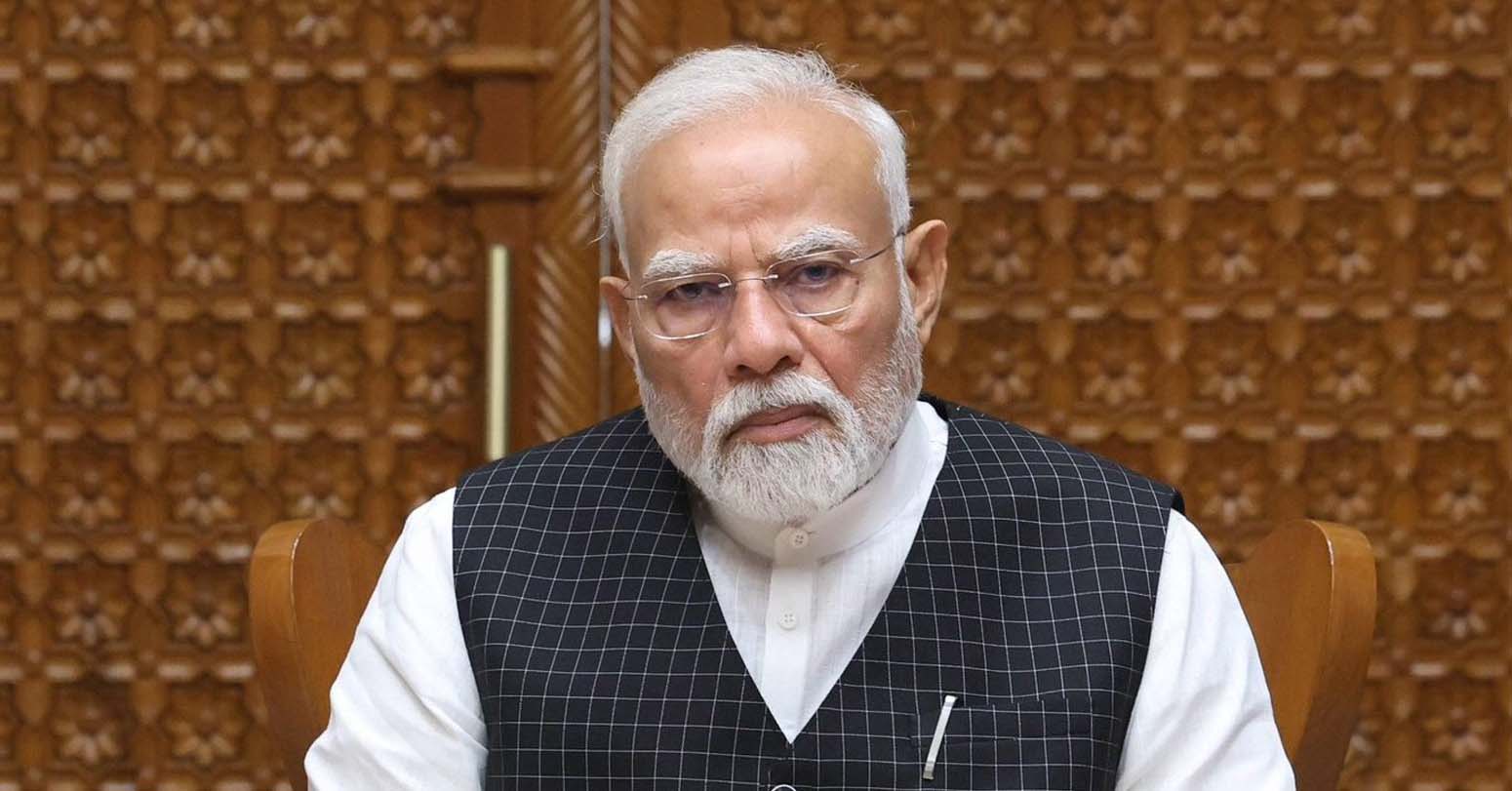


The headline did not originate with us. It was a reaction from sections of the Indian media following the recent assembly election results in Kerala and several other Indian states. The Bharatiya Janata Party’s (BJP) strong performance in four state elections was widely described as remarkable and unexpected. Although the Congress-led alliance succeeded in defeating the Left coalition in Kerala, the developments in West Bengal attracted even greater attention. There, the BJP’s rise appeared to challenge decades of political dominance first by the Indian National Congress, then by the Communist Party, and later by Mamata Banerjee’s Trinamool Congress.
In the 293-member West Bengal Legislative Assembly, the BJP’s dramatic expansion was interpreted by many commentators as a sign of shifting public sentiment. The state, long regarded as a center of communist ideology in India, once witnessed the rise of revolutionary leftist movements inspired by figures such as Charu Majumdar and Kanu Sanyal, whose Naxalite movement emerged from Naxalbari in the late 1960s. Over time, communist politics became deeply rooted in West Bengal, particularly under leaders like Jyoti Basu and Buddhadeb Bhattacharjee, who were often viewed as disciplined and ideologically driven administrators.
However, critics argue that Mamata Banerjee’s rule gradually weakened that legacy. Allegations of aggressive political culture, insecurity, neglect of ordinary citizens, protection of illegal immigration from neighboring countries, industrial decline, and rising unemployment contributed to public dissatisfaction. According to many political observers, the BJP successfully framed these concerns in a manner that resonated with large sections of the electorate.
The BJP’s growth in West Bengal has therefore been portrayed not merely as an electoral victory, but also as evidence of its expanding organizational strength, ideological clarity, activism, and disciplined political strategy. Many analysts believe that the results demonstrate how public frustration with arrogance in power can eventually overturn even long-established political dominance. Since coming to power at the national level in 2014, the BJP has steadily expanded its influence across several Indian states, presenting itself as a party rooted in cultural identity, strong governance, and political consistency.
The broader discussion also raises questions about the global decline of communist political systems. Today, only a handful of countries such as North Korea, Laos, Vietnam, and Cuba continue to maintain explicitly communist state structures. Even China, while politically governed by the Communist Party, has adopted extensive economic liberalization since the reforms initiated by Deng Xiaoping after the Mao era. These reforms transformed China’s economy by moving away from rigid ideological control toward market-oriented development.
In South Asia, communist ideology once gained widespread appeal because of deep poverty, inequality, feudalism, and anti-imperialist sentiment. During the Cold War era, many newly independent nations leaned toward the Soviet bloc, and India too maintained close ties with the Soviet Union due to geopolitical tensions involving China and Pakistan. Communist movements attracted support among workers and the poor by advocating equality, social justice, and resistance against exploitation. Their ability to inspire people with visions of class liberation and economic fairness was exceptionally powerful.
That influence was also strongly felt in Nepal. Communist politics in Nepal grew by combining promises of social equality with local realities of caste, religion, and identity politics. Yet, despite once commanding overwhelming electoral support, communist forces in Nepal today appear increasingly fragmented and weakened. Similarly, in India, communist parties that once exercised significant influence in states such as West Bengal, Tripura, Kerala, Bihar, and Andhra Pradesh have experienced a steep decline.
Still, while political power may fade, ideas rarely disappear completely. History repeatedly shows that ideologies thought to be defeated can return under new circumstances. The enduring nature of political thought reflects the changing needs and aspirations of society. At present, however, the dominant global political trend appears less ideological and more populist.
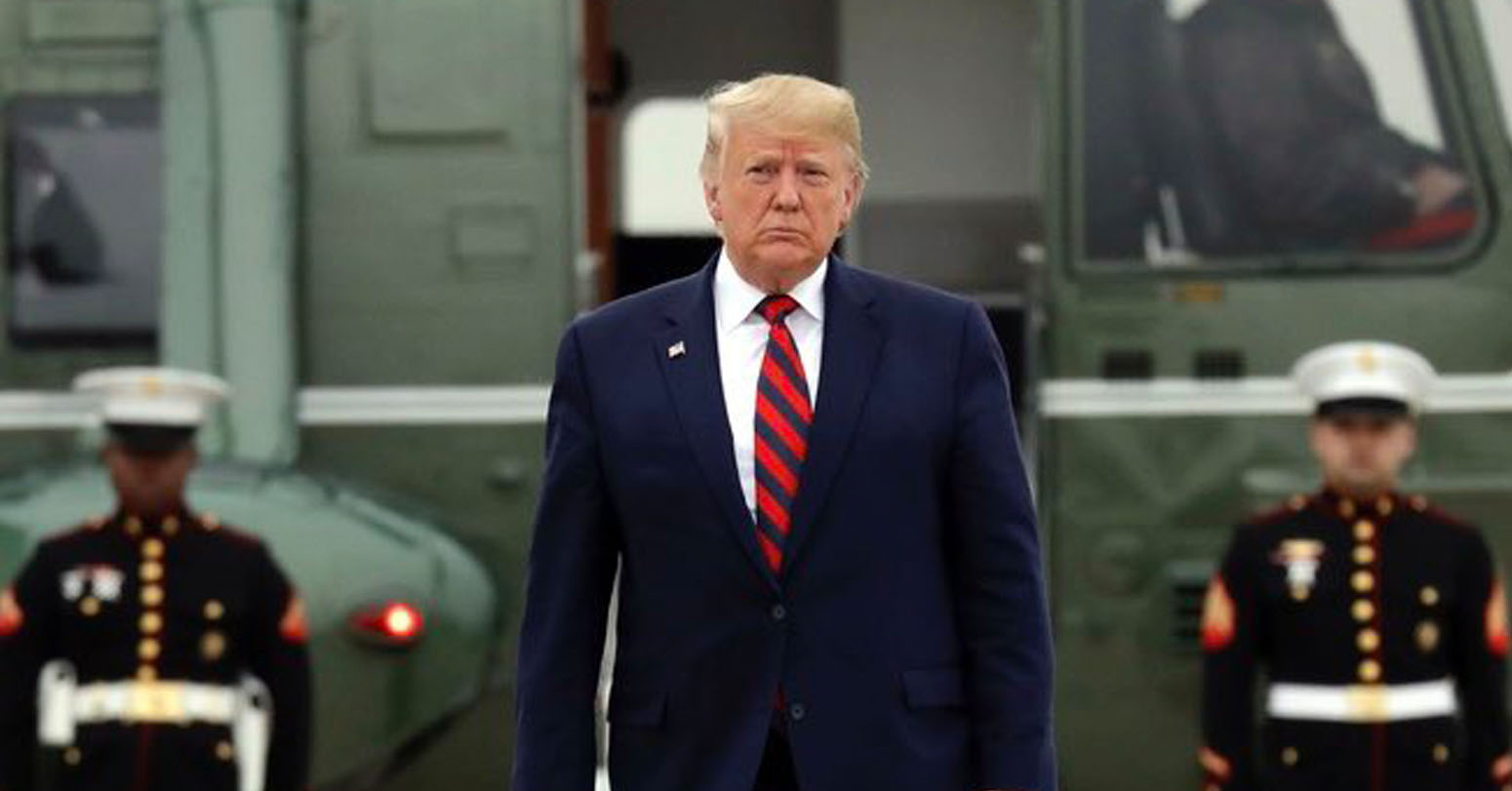
Recent elections in Nepal, political developments in Tamil Nadu, the rise of Volodymyr Zelensky in Ukraine, Imran Khan’s popularity in Pakistan, and Donald Trump’s political resurgence in the United States are often cited as examples of this global wave of populism. Whether such movements represent lasting transformations or temporary reactions remains uncertain. Nevertheless, according to the interpretation advanced by sections of the Indian media, the latest electoral developments suggest that communist influence in India has reached its weakest point in decades.
Janai Purnmina Being Marked Today
Catastrophic Flash Flood In Bhotekoshi
Water Level Again Increases In
Forgiveness Ritual Held At Palanchowk
Bhotekoshi Flashflood: Rs 1.91 Billion
Rasuwa’s Road Connection Restored