






















Whether it is to overcome a sleepless night, fight daytime fatigue, or simply appear “cool and smart” among peers, today’s youth are increasingly seen carrying colorful cans of so-called energy drinks. Marketed through eye-catching advertisements that promise an instant surge of energy with a single sip, these beverages are gradually becoming a habit among the younger generation. But are these “miracle drinks,” consumed in the name of combating tiredness, truly a source of energy? Or are they silently damaging vital organs from within?
According to numerous international health studies and medical experts, a disturbing reality lies behind the glossy packaging of energy drinks. Advertisements portray them as a quick solution for boosting alertness, concentration, and freshness. In reality, however, there is no magic inside these cans—only a potentially harmful combination of excessive caffeine and sugar that can negatively impact health.
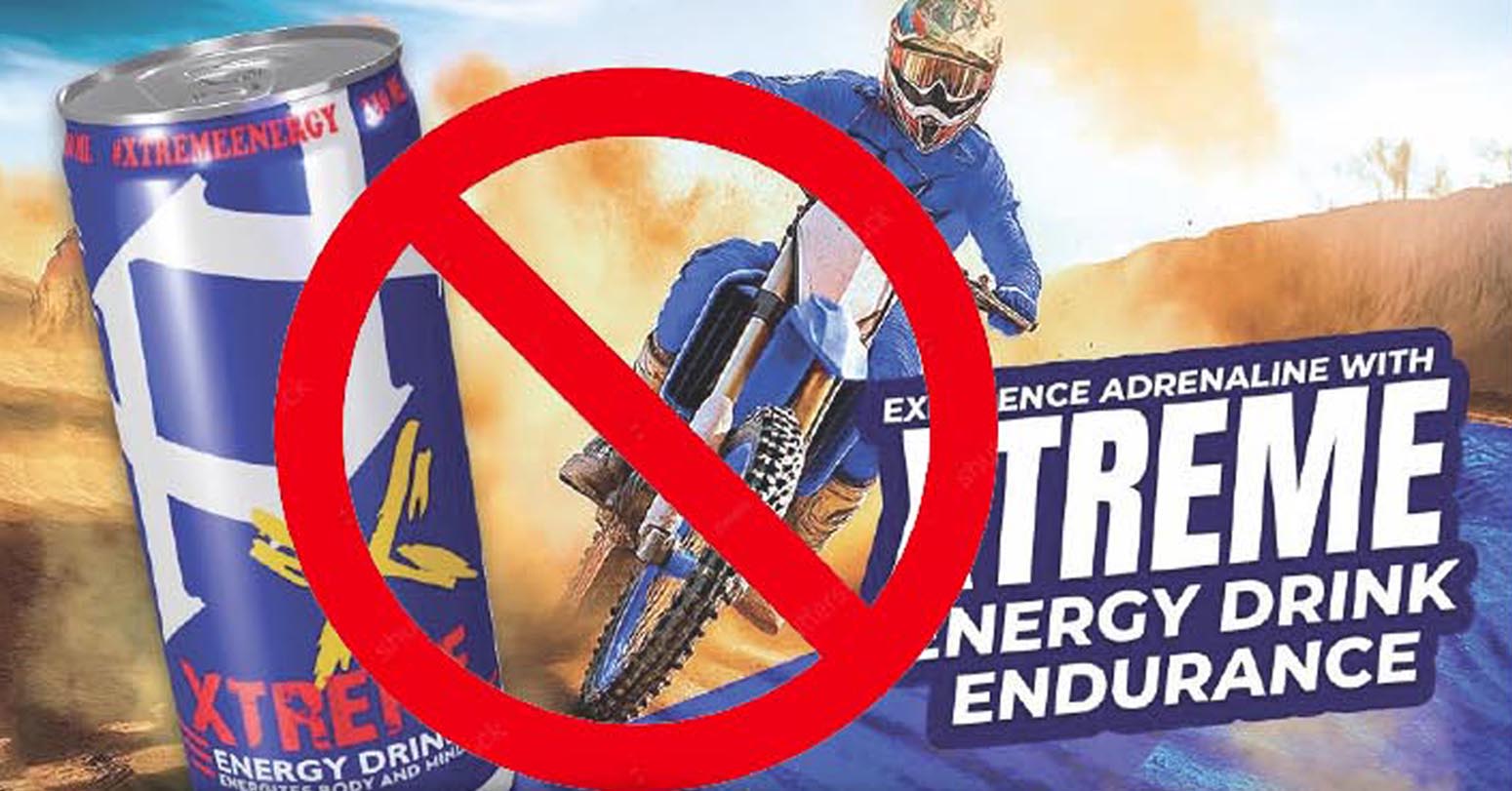
Driven by attractive slogans promising instant energy, aggressive marketing campaigns, and affordable prices, these drinks have gained immense popularity among Nepali youth, drivers, gym enthusiasts, and laborers. Among the many brands available, the most visible and widely consumed is the energy drink known as Xtreme. Food and nutrition experts warn that beneath its growing popularity lies a serious public health concern that many consumers overlook in their pursuit of quick energy. Other energy drinks available in Nepal, including Red Bull, Sting, and similar products, have also raised health concerns.
Following the government's ban on the import of certain caffeinated foreign energy drinks, domestic brands flooded the Nepali market. Capitalizing on this opportunity, brands such as Xtreme established a strong market presence through aggressive advertising and strategic consumer targeting. Promotional campaigns across digital platforms, social media, and roadside billboards have successfully portrayed these drinks as reliable solutions for improving physical performance and mental alertness.
Public health experts note that many people—including trekkers, manual laborers, and athletes—have begun replacing traditional nutritious beverages such as milk, yogurt, buttermilk with energy drinks, believing them to be effective hydration solutions. In reality, however, these beverages may contribute to dehydration rather than prevent it.
Extreme Impact on Health
Health experts report that a 330-milliliter bottle of Extreme Energy Drink contains approximately 100 milligrams of caffeine along with a significant amount of sugar. This caffeine content is roughly equivalent to a strong cup of coffee. The addition of taurine further amplifies caffeine’s effects. Consuming two or more bottles a day can result in dangerously high levels of caffeine and sugar intake. The World Health Organization recommends a daily sugar intake of only 25 to 36 grams for adults. However, a single bottle of many energy drinks can exceed this limit. Doctors warn that regular consumption may lead to serious health problems, including irregular heartbeat and elevated blood pressure, sleep disturbances and insomnia, obesity, fatty liver disease, and Type 2 diabetes. Experts also caution that sodium benzoate, a preservative commonly used in such drinks, may react with citric acid to form benzene—a potentially harmful chemical compound.
Playing with Your Heart
The dangers of energy drinks extend far beyond stomach discomfort or sleeplessness. Research suggests that they can directly affect cardiovascular health. According to reports cited by Carlos Bok Law, the tragic death of a healthy 14-year-old girl highlighted the risks associated with excessive caffeine consumption. The cause of death was identified as cardiac arrhythmia triggered by caffeine toxicity. Within 24 hours prior to her death, she had consumed two large cans of Monster Energy. One 24-ounce can reportedly contained nearly seven times more caffeine than a standard serving of Coca-Cola. The U.S. Food and Drug Administration (FDA) has investigated several similar cases. Likewise, a comprehensive review published by the National Center for Biotechnology Information (NCBI), which analyzed 96 scientific studies, found a significant association between energy drink consumption and serious cardiovascular events. The review documented nine cases of sudden cardiac arrest, three of which resulted in death.
A Deadly Cocktail
A growing trend among young people involves mixing energy drinks with alcohol to mask alcohol’s bitter taste or prolong partying late into the night. Scientists, however, consider this combination particularly dangerous. A study described this phenomenon as “stimulant cardiac syndrome.” The stimulants found in energy drinks suppress feelings of fatigue and intoxication, making individuals less aware of how much alcohol they have consumed. As a result, the risk of alcohol poisoning, impaired brain function, sudden cardiac events, and even death increases significantly. What often begins as occasional consumption for enjoyment or temporary energy can gradually become a routine habit. Once dependence develops, the long-term damage to the body may occur silently.
Is Temporary Energy Worth the Risk?
Experts from Harvard Health advise individuals with heart disease or high blood pressure to avoid energy drinks altogether. They further argue that such beverages should not be consumed by teenagers or children under the age of 20. Rather than relying on artificially stimulated energy, health professionals recommend adopting healthier and more sustainable alternatives, such as drinking eight to ten glasses of water daily, getting sufficient high-quality sleep. Also choosing fruits, nuts, and nutritious snacks instead of sugary junk foods. The energy boost provided by these drinks can be compared to taking out an expensive loan—the short-term benefit may seem appealing, but the body ultimately pays the price through health complications and increased disease risk. The choice is ultimately yours: risk your health for a temporary feeling of refreshment, or embrace a healthier lifestyle built on natural sources of energy.
Human Life Is Not a Commodity: Strict Action Needed
Nepal Consumer Forum National Secretary Shambhu Shah argues that energy drinks pose a serious threat to public health. According to him, many of these products contain excessive quantities of chemical substances that may have adverse health effects. “The chemicals present in these drinks often exceed what is necessary. Excessive amounts can be harmful and may negatively affect human health,” Shah told Himalaya Times. “Human life should not be treated carelessly. The government must monitor these products closely and take strict action against manufacturers who exceed permitted limits.” He also called for restrictions on the advertising of energy drinks, particularly advertisements that target younger audiences. “These advertisements influence children and teenagers. Many highway drivers and motorcycle riders regularly consume energy drinks and become dependent on them. This not only jeopardizes their own safety but also the safety of others. Strong regulation and enforcement are essential,” he said.
Excessive Consumption Can Be Fatal
Scientist and science writer Dr. Nicola Williams has highlighted the growing impact of energy drinks on children, adolescents, and young adults. In an article published on the health and research platform News-Medical.net, Dr. Williams noted that while energy drinks may provide a temporary burst of energy, they do not supply the hydration or electrolytes required by the body during exercise or physical activity. He expressed concern that targeted advertising through social media, video games, and sporting events is encouraging young people to consume these beverages regularly, increasing the risk of dependency. According to Dr. Williams, the high caffeine content in energy drinks acts as a diuretic, causing the body to lose essential fluids through increased urination and contributing to dehydration. Excessive caffeine consumption can also result in nausea, vomiting, abnormally high heart rates, elevated blood pressure, tremors, and confusion—conditions that can be life-threatening in severe cases. He further noted that excessive amounts of ginseng, an ingredient commonly found in some energy drinks, may cause side effects such as vaginal bleeding, diarrhea, and severe headaches in women.
Researchers are also investigating potential links between heavy energy drink consumption and the use of other addictive substances, including tobacco and alcohol. These findings have raised concerns that energy drink consumption may contribute to broader patterns of risky behavior among young people. Dr. Williams concluded by emphasizing that several deaths associated with energy drink consumption have already been documented. He called for more comprehensive research and stronger regulatory measures to address their growing use and potential public health consequences.
When contacted by Himalaya Times regarding the potential health risks associated with energy drinks, Pawan Shrestha, Manager of Xtreme Energy Drinks, stated that he was unaware of the ingredients contained in the product. “I only handle sales. I don’t know what is mixed in it,” he said, suggesting that inquiries be directed to the appropriate department. When asked who within the company was responsible for product formulation and ingredient oversight, he declined to provide details. “I can’t say who handles that. You will have to find out yourself,” he responded. When questioned about whether harmful substances were unique to Extreme or common across energy drinks, he responded with a question of his own, leaving the issue unresolved.
Narayani Hospital Doctors Resign En
Indian Army Chief Seth Calls
Britain’s Royal Mint Strikes Gold
Guideline Issued To Bring Uniformity
Tiger Population Reaches 429 In
Iran In Final Stage Of