












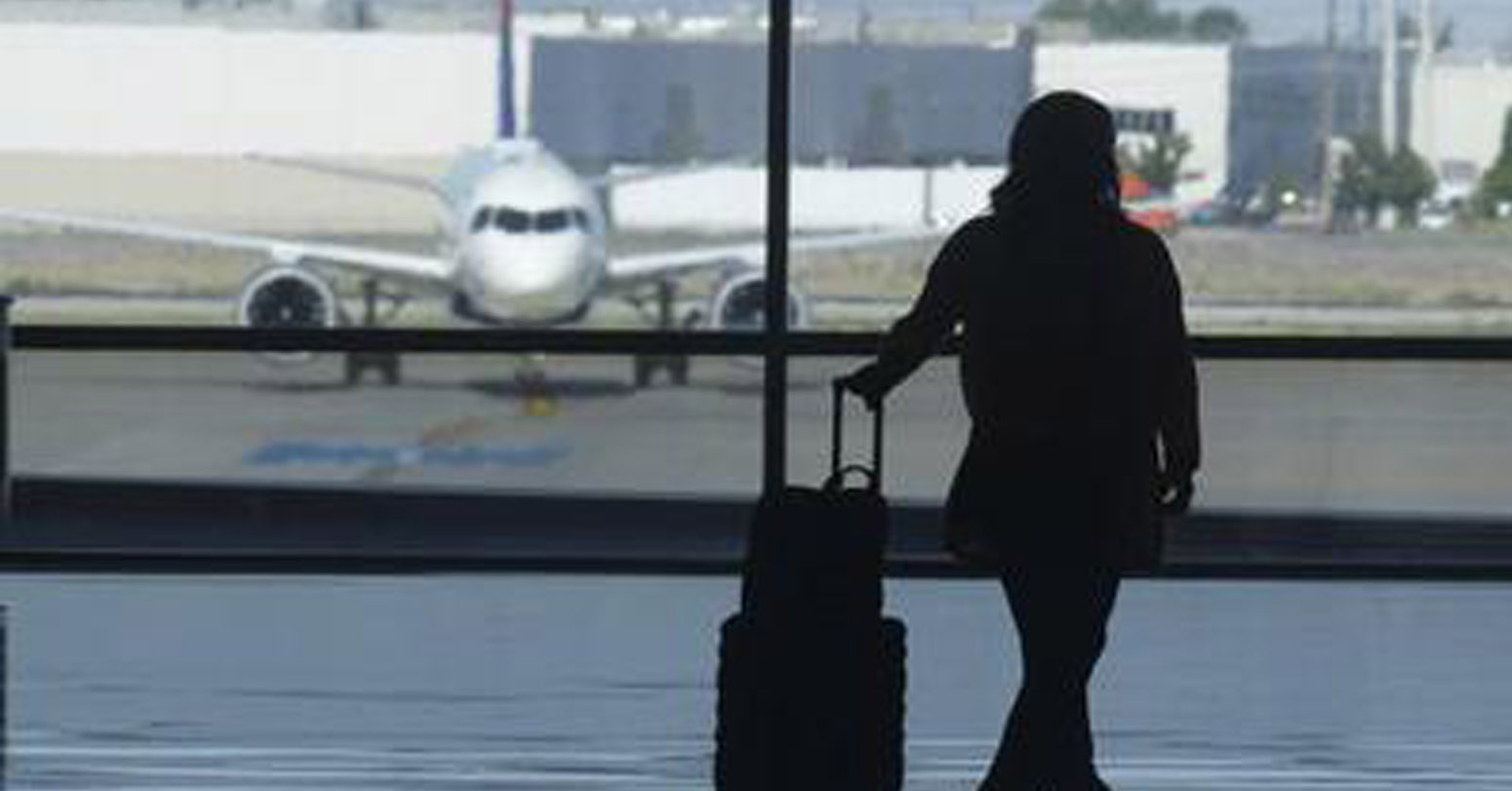

Day 1 of travelling through Tribhuvan International airport, Kathmadu Nepal
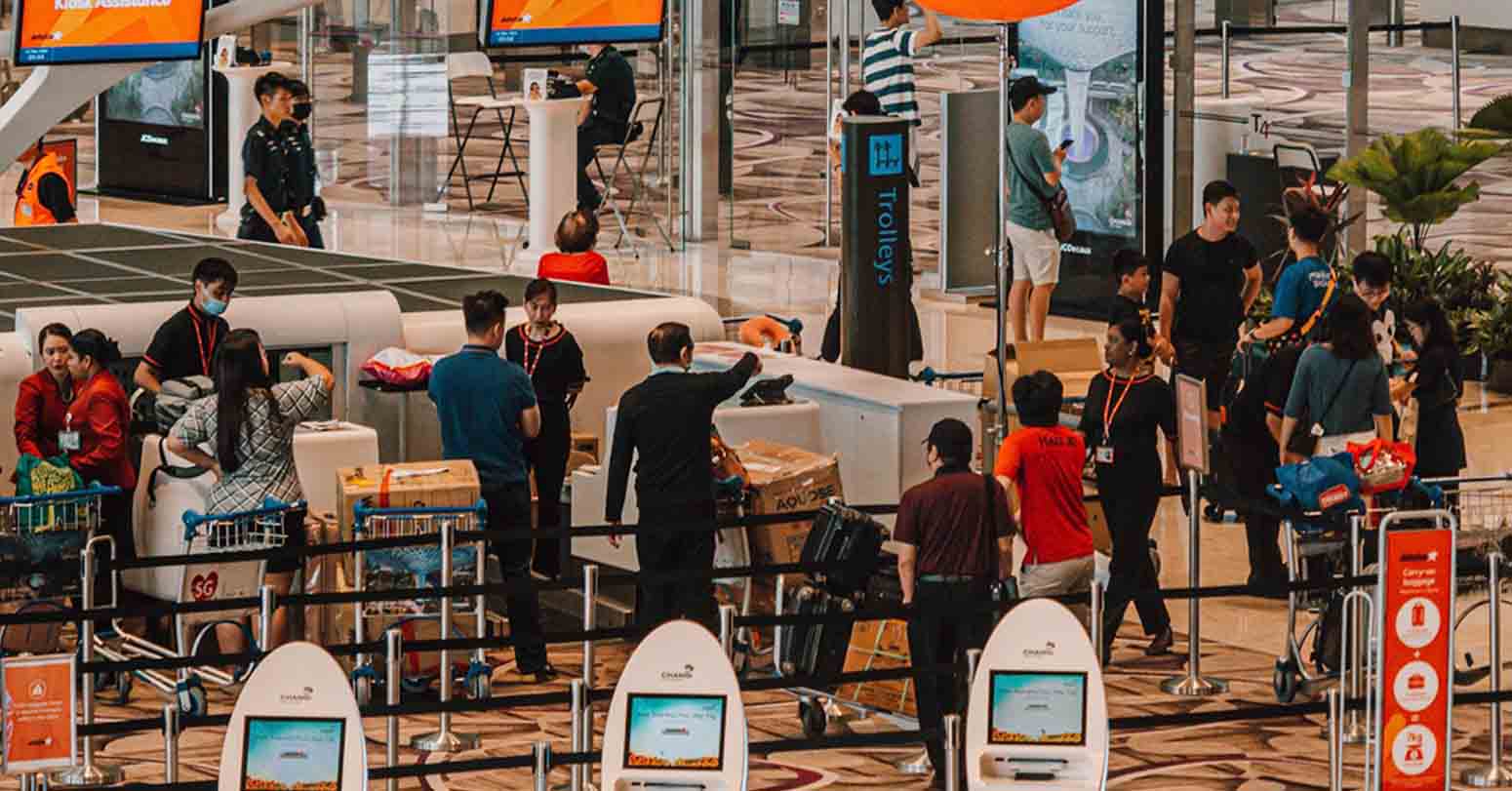
On September 12, 2025, twelve of us new faces from nearly our Himalayan homeland Nepal came together at Tribhuvan International Airport. We travelled to Beijing Foreign Studies University and Nankai University's Cross-Himalayan Youth Camp, strangers bound together by delight. Throughout my fourth-grade social studies class on neighbors, China seems like a far-off secret to me. "Mom, if both India and China share a border with us, why passports for one and not the other?" I had wondered, puzzled.We flew to Chengdu Tianfu International Airport at 11:55 a.m., then after three hours of hazy travel, we left for Beijing at approximately 11 p.m. We sank on hotel mattresses as the sun rose, our fantasies entangled in jets of home lag, fatigue pouring like the rain.
Day 2, Beijing: Where Skyscrapers Whisper Ancient Bonds
Pulling back the curtains the following morning, my breath was lost in a dizzying whirl of jade-rimmed towers rising over limitless blue, flyovers swooping like dragons frozen in mid-air. Beijing pulsed with energy, quite unlike the anarchic beauty of Kathmandu, but it had a contained feel of magic, a sense of knowing that more could heal even the most shattering wounds.
We entered Beijing Foreign Studies University (BFSU) at 9 a.m., China's first foreign language university as a ministry of the Ministry of Foreign Affairs in 1941, now teaching 101 languages to over 3,000 foreign students in its rectangular main campus a miniworld renamed in 1994. The opening ceremony was pregnant with anticipation, culminating in Associate Professor Yue Shengson's passionate keynote on China's diplomacy and territorial expansion, his words flying across borders like otherworldly threads. Canteen food Lunch was a revelation First encounter with Chinese food and seafood greasy, meaty food myths half-truths. Reality: balanced diet of equal calm, 4 food groups (grains, vegetables, fruits, meats), 70% plant-based in traditional diets. Smoking, salting, pickling, soy-soaking guarantee longevity and flavor full of meaty warmth, fragrant rice that dissolved cares away I fell hook, line and sinker, each bite a balm to Nepal's turbulence. Afternoon seminars nourished the relationship, examining China-Nepal relations through new media emotional bridges of emotional bonds, dances of cross-cultural exchanges of mutual civilization, and strategies of inclusive development converging. At 6:30 p.m., my notebook was complete, but my heart wanted more.
Dusk found us at Beijing Olympic Park, the world's first "Dual Olympic" complex, sprawling across 1,000 acres with iconic Bird's Nest (2008 Summer Games) and Water Cube (2022 Winter), their glittering lattices recalling delicate beauty of unity a vision that tightened my chest, reminding me of Nepal's battered streets. Beijing olympic park economic street now there we had sweety savoury fruits infused in special incredients. The lights were stunning and the swimming pool that circled all of us was euphoric and jovial.
Day 3: Whispers from the Roof of the World
The Xizang Cultural Museum (Tibet Museum) in Beijing enveloped me in profound silence at 9 a.m. We came to know about, over 520,000 pieces ranging from exquisitely painted Thangkas and old silk to porcelain and jade, it chronicles Tibetan ethnic culture, ecology, and mythological legends like the war against British invaders in 1904. They also mentioned about the religions guru's ruling in tibet and the ancient election process which completely enlightened me because it was a new knowledge for me jointly I felt so proud coming from the land of Buddha because the preseervation of buddha's teachings can also be seen there. As a Nepali, it felt like extending a hand to my native Himalayan tears of shared strength, a soothing balm to my fatherland's wounds.
The day passed with a glimpse into CCTV-6, China's movie flagship since 1999, telecasting features and operas to nourish cinematic souls. Being a worked in television as news anchor in Nepal going back to the studio was homecoming once again but technological advancement is much better in China than in Nepal. And then there was the White Dagoba Temple (Miaoying), a 1279 Yuan Dynasty masterpiece designed by Nepali architect Arniko for Kublai Khan its white stupa rising, combining our expertise and Mongolian grandeur, made me proud, a physical connection across the centuries. BFSU dinner set out a night pursuit: Qianmen Street, 700-year-old Ming treasure reborn in 2008, with the scent of silk, jianbing sizzle, and the light of lanterns.
Then there's Tiananmen Square, the world's largest at 440,000 sqm, where imperial decrees and 1989's appeals now a somber space under Mao's watchful eye, soliciting reflection on power's double-edged sword. We also cycle around the city for the first time and we also did go to the opera it was as if the stars were in the opera radiating, and lovely.
Day 4: Speed of Dreams
My first bullet train at 350 km/h dash from Beijing to the Binhai New Area of Tianjin was flying into hope, scenery merging into potential. At Tianjin Port's Intelligent Terminal, one of BRI's jewels since 2009, we encountered the 2016 China-Nepal Transit Transport Agreement. This agreement gives us access to four Chinese seaports (Shenzhen, Tianjin, Lianyungang, Zhanjiang) and land routes via Xigaze to Nepal, making our cost of doing business with more than 20 nations exporting textiles to Europe and importing machinery a lifeline after tensions with India, a boost to the economy of Nepal and also to China's neighbourhood relations. At Nankai University (established 1919), Zhou Enlai School of Government Professor Zhang Falin (2004) enlighted on the SCO bringing together nine nations since 2001 for security and trade and Xi's 2023 Global Civilization Initiative, encouraging dialogue among a multipolar world, as in 2025's Tianjin summit. Night tea ceremony with Jimo was magic: China's 4,000-year-old tea, guided by Lu Yu's ancient book warm cups, 80°C cleansing washes, finger-taps of appreciation its steam bringing peace.
And then my turn next: Singing Nepali folk to strangers, dancing wildly sentiments crossing languages, yet my mind flashed back to Nepal's fire, a bittersweet song. The China-Nepal Youth Dialogue Salon resonated 2025's cultural comprehension, for instance, Beijing's Rhythms for 70 years of diplomacy.
Day 5: Canal-side Philosophies
The Nankai University philosophy seminar unrolled Confucian-South Asian value connections in 16 presentations till evening a mind-stirring feast of the mind. The talk of one Chinese writer about his home philosopher, unbowed by Western lenses, surprised me in its earnestness. I read my first international paper on Nepal's media-democracy quandary, post-submission, thrilling but tiring. On the way to the German Concession of Tianjin, we sang Nepali dohori with enthusiasm, girls' team winning, hypnotizing us in night lights.
Yangliuqing Ancient Town, a stretch of the 1,794-km Grand Canal (UNESCO 2014, founded 607 CE, Sui Dynasty), shone like heaven with boat light burning on water. A one-time Ming-Qing business hub famous for its woodblock New Year prints, it thrives today as a cultural gem, greeting visitors with lantern-hung willows, boats jostling along canals, and tradition impressively intact. Tianjin's German Concession (1895-1917, leased following the Second Opium War) Germany Street shone with colonial edifices ablaze with bright lights, Qing-era conservatism set against modern-day dynamism. A nightlife destination today, its steel arches, cafes, and retro atmosphere beckon, every cranny oozing timeless appeal.
Day 6: Threads of Tradition
"Threads of Tradition" at Tianjin Museum's "Gushang Fengwu" folk crafts hall included Tianjin traditional ceramics, calligraphy, but most especially Yangliuqing New Year pictures, in 200,000 modern and ancient pieces. Yangliuqing Woodblock New Year Painting Museum, with over 600 pieces of Ming Dynasty provenance (over 400 years), had on display lavish prints to drive out evil, pass on festival greetings on daredevil lines of myths along the Grand Canal, a blessing for prosperity realized.
Days 7
This day was all of excitement becuase the next early in the mornining we have to fly back to our Home land and around 9:00 am in the morning we headed towards Dongjiao Memory, the former 1950s Hongguang Factory, which is now turned as a new creative space with 20+ locations featuring rotating digital art, ARTE Museum's 5,000-sqm "Eternal" exhibition (2023), Sad Frog pop-ups, and 2025 European Culture Season installations in industrial ruins. It reminded me of rebirth, similar to my aspiration for Nepal. In Chengdu International Railway Port (BRI since 2018), we came to know about 100,000+ China-Europe trains link 125 cities; 34 Eurasia Commodity Pavilion halls exchange and trade culture Nepal's pavilion, where I hoisted our flag . Concluding at Sichuan Press International Communication Base a provincial ICC for international messaging, with events like 2023's "Travelogue of China" I sang "Fulko Aakha Ma," voices intertwined together. We also got our education certificate given.
Conclusion: A Shared Journey of Hope and Prosperity
On Day 8, As the dawn broke with a heart filled with new hope at 5 a.m. it was day to fly back to my motherland Nepal from Kunming to Kathmandu, China's people's warmth enveloped my heart, bearing witness to their sincere wish to be good neighbors. After coming back to Nepal now my perspective about china has changed. As emerging power and our concerns should be how can we get help for the development of our country. According to the National Bureau of Statistics of China (2024) and the International Monetary Fund (2025), China's 162,000 km rail network and 34 major ports fueled its $19.23 trillion GDP in 2024, positioning it as a global economic leader promising growth for Nepal despite language barriers. According to The Diplomat and Kathmandu Post (December 2024), the Belt and Road Initiative (BRI), formalized in December 2024 with 10 transformative projects, reshapes Nepal’s landlocked status through ventures like the $216 million Pokhara International Airport (operational 2023) and the planned Kathmandu-Kerung rail linking to China’s infrastructure. According to the United Nations COMTRADE database (2024), BRI aims to double Nepal’s $2.2 billion trade with China (2024), boosts tourism (6.7% of GDP in 2023) according to Wikipedia and WTTC (2023), and drives $300 million in Chinese FDI into jobs and hydropower like the 1,200 MW Budhi Gandaki project according to Nepal Rastra Bank (2024) and AidData (2024), reducing reliance on India, US, and EU. According to Asia Society and Foreign Policy Research Institute (2024-2025), geopolitically, Nepal fosters India-China stability. Geopolitically, Nepal binds India and China, guaranteeing regional stability. The Nankai University philosophy workshop, with its cutting-edge facilities and soulful cross-cultural dialogues, left an indelible mark on my heart, nurtured by seamless roads, cozy cafes, and a profound sense of belonging. Nepal must embrace this warmth, honoring our shared legacy from Bhrikuti’s 7th-century Buddhist mission to Araniko’s 13th-century White Stupa in Beijing proof of China’s enduring respect. This cultural and historical preservation charts a course for global leadership. With the expansion of economic ties under BRI, Nepal's prosperity aspirations can soar on the wings of our shared past and boundless potential. Pre-Cross-Himalayan Youth Camp 2025, I had imagined China to be some far-off mythical giant, based on childhood schoolbooks and war-tainted Nepal's perception. The trip shattered the myth. Beijing's skyscraper-high buildings, green spaces, and flyover-marked avenues opened up a nation that injects development with character, far from sterilized clichés. The soulful hospitality savory meals, cozy cafes, and warm exchanges felt like home. Engaging in Nankai’s philosophy workshop, where authentic Chinese perspectives shone, and sharing my own on Nepal’s struggles, deepened my respect for China’s intellectual openness. A visit to Araniko's White Dagoba and the Xizang Museum made me proud of our shared Himalayan heritage, and a visit to Tianjin's port and railway development under China's Belt and Road Initiative impressed China upon me as a vision-holding global neighbor, not a distant power. Despite language gap, China's warm embrace of Nepal through the ages, culture, and economic potential kindled optimism, illuminating a humane, dynamic nation that strides forward with dignity and promise. With deepest appreciation to Respected Professor Chao and his team, whose visionary generosity shattered barriers and kindled the lamp of hope, China is South Asia's beacon light.
Middle-aged man spends millions to
Dr. Dharam Raj Upadhyay: Man
Children, Greatest Victims Of Sudan’s
Breathing The Unbreathable Air
Comprehensive Data Protection Law Critically
Gender Differences In Mental Healthcare