








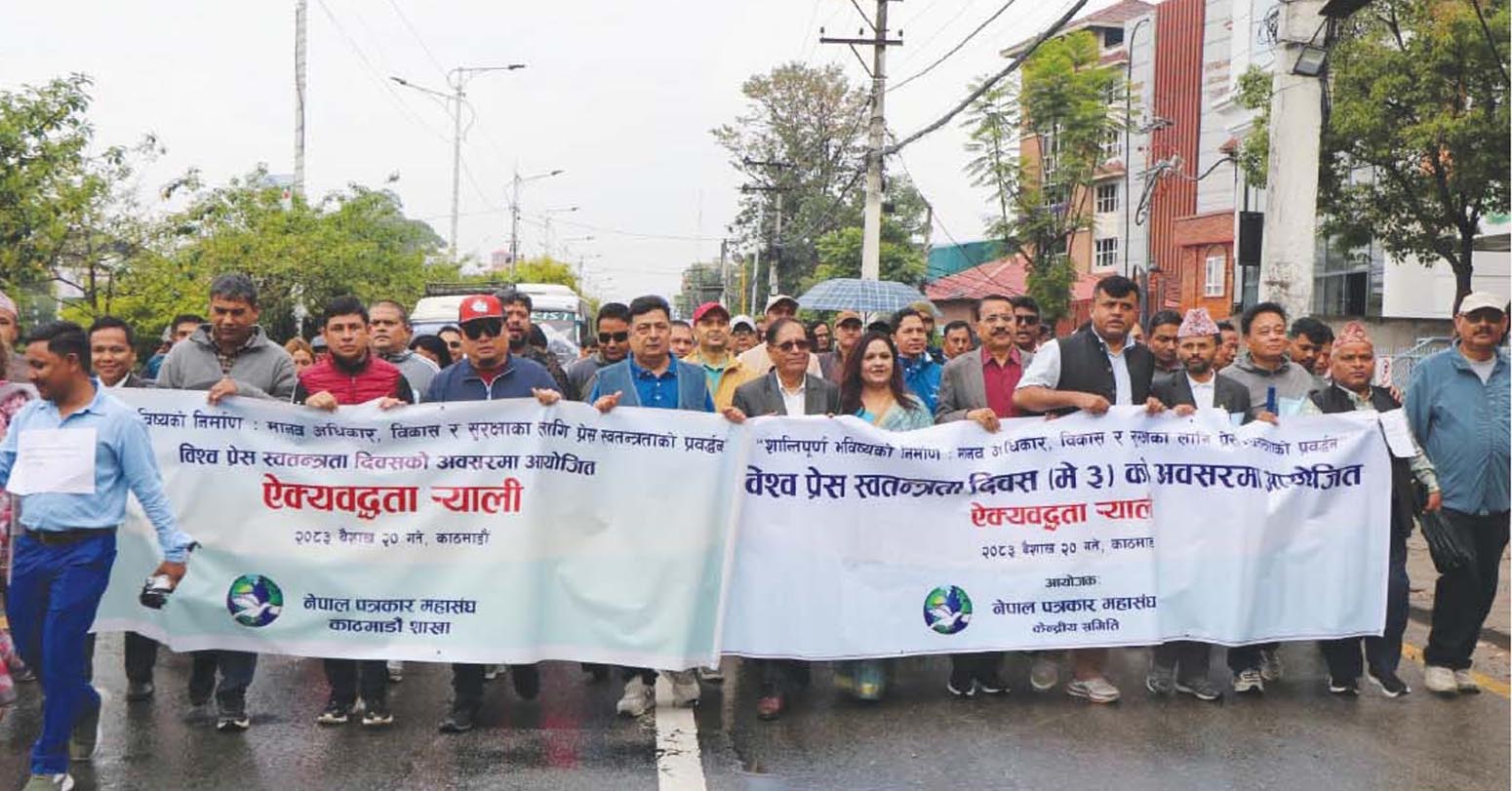






The Federation of Nepali Journalists (FNJ) held a solidarity rally and protest at Maitighar Mandala in Kathmandu on Sunday to mark World Press Freedom Day, voicing concerns over growing oppression and interference in the media sector. The demonstration was part of the federation’s ongoing movement against restrictions affecting press freedom.
FNJ President Nirmala Sharma noted a sharp rise in press freedom violations. Citing the federation’s monitoring report, she said cases increased from 73 last year to 131 this year. Sharma added that even after 100 days in office, the current government has failed to create a supportive environment for the media, raising concerns about its recent actions.
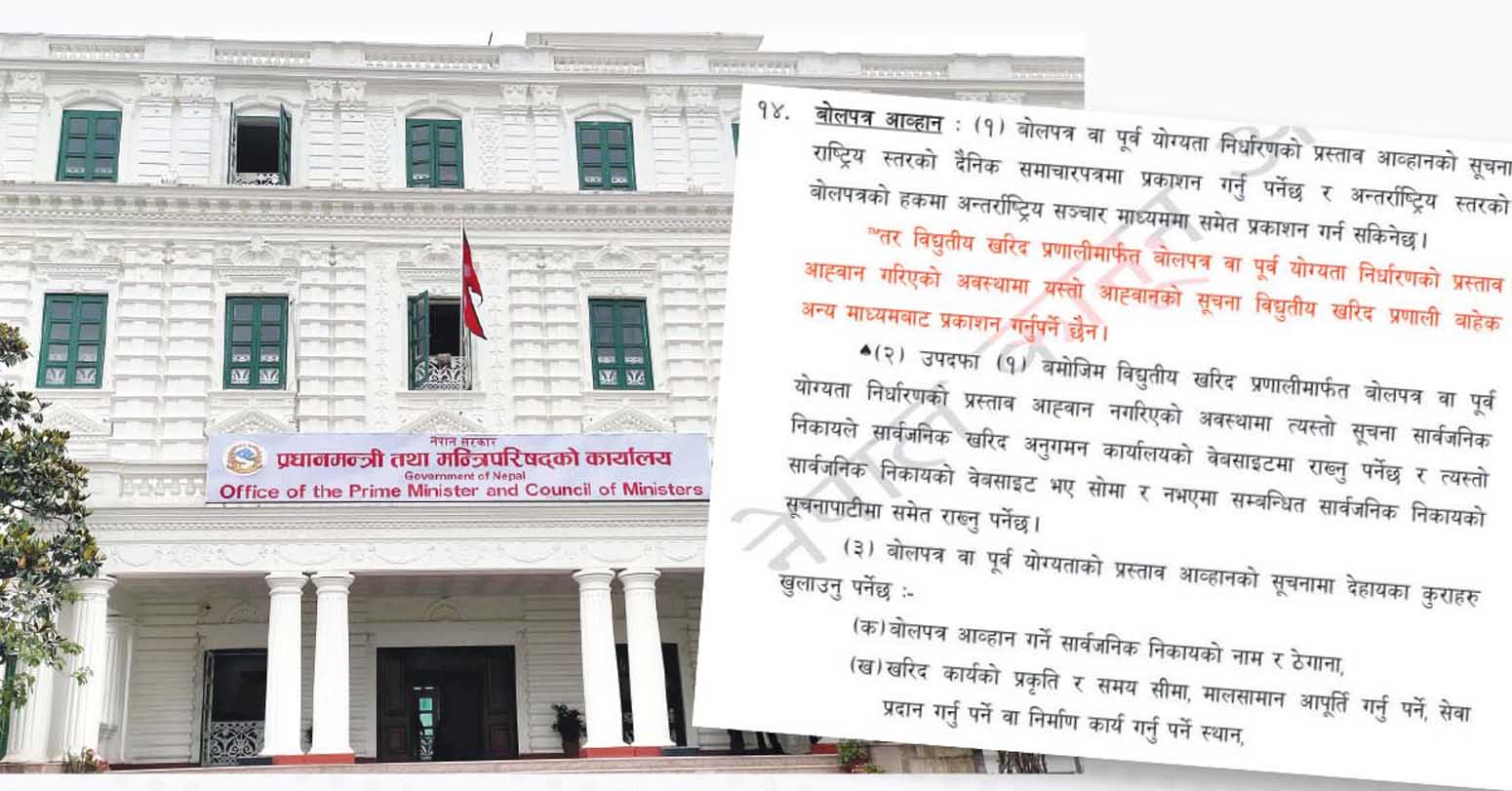
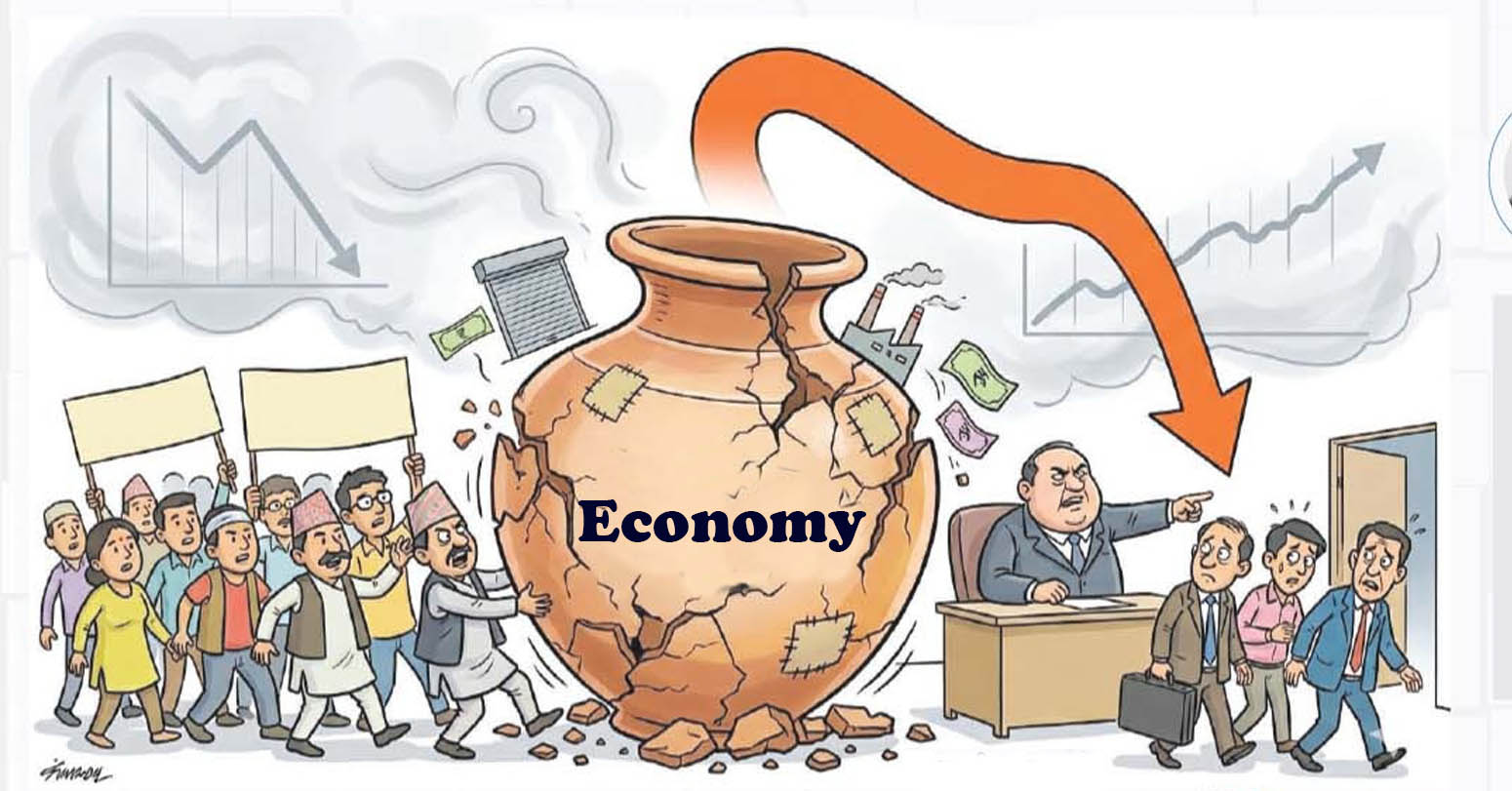
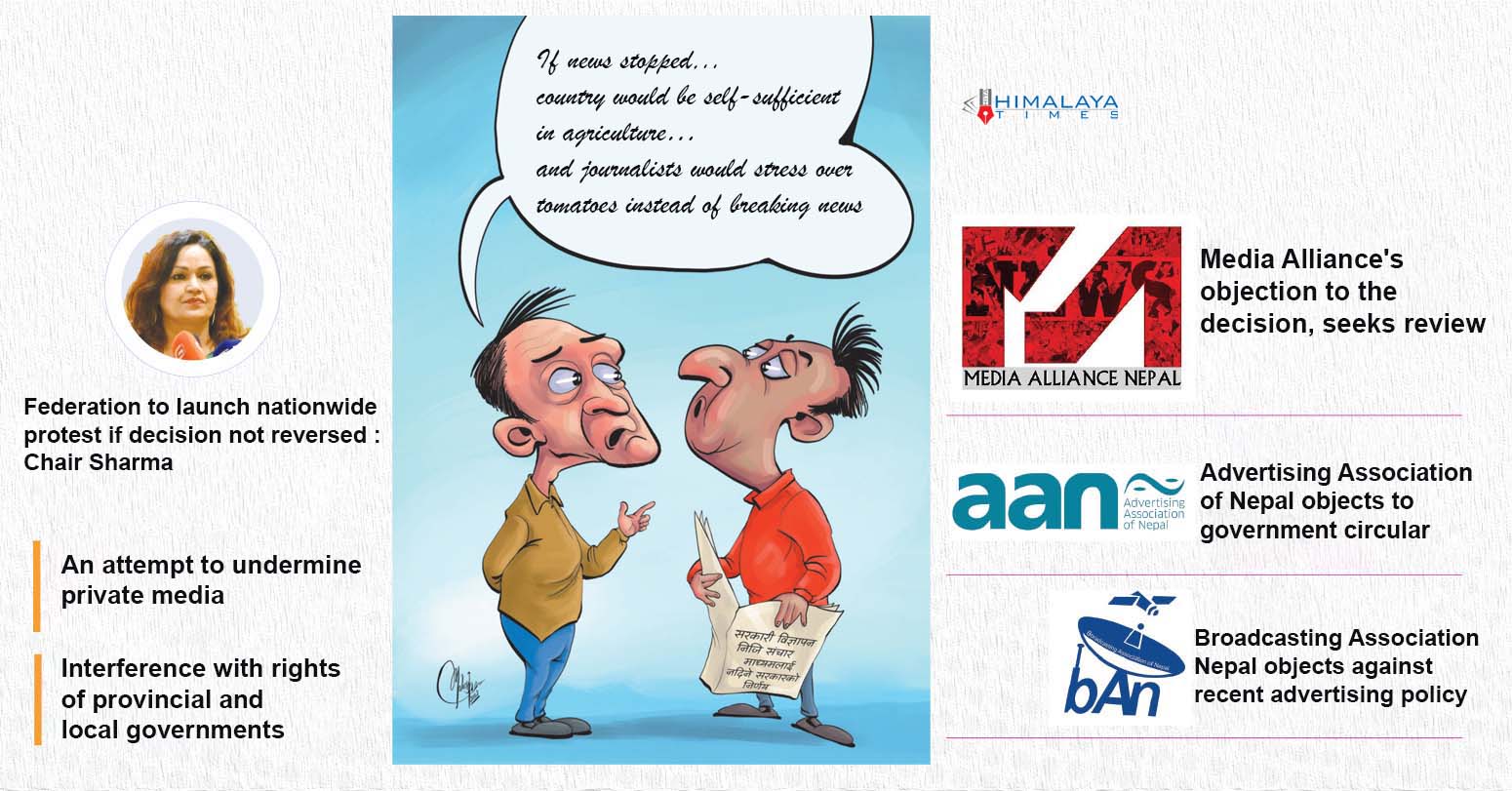
The FNJ has criticized the government directive instructing that advertisements and information be channeled only through state-owned media, calling it an “economic blockade” on private outlets. Sharma argued that the move undermines a key pillar of democracy and has already cost many journalists their jobs. She also condemned the use of the Electronic Transactions Act to prosecute journalists for their reporting and alleged that authorities have pressured them to disclose confidential sources. Such actions, she warned, threaten freedom of expression and signal a troubling trend for democracy.
The rally drew participation from National Human Rights Commission member Manoj Dawadi, Nepal Bar Association President Bijay Mishra, civil society leaders, and representatives of various media organizations. Participants called for broader solidarity among civil society and human rights advocates to safeguard press freedom and ensure the professional security of journalists.
The FNJ has been staging protests for the past 15 days, pressing a range of demands. It also stated that international bodies, including the International Federation of Journalists and UNESCO, have expressed support amid the ongoing challenges facing Nepal’s media sector.
Addressing the gathering, National Human Rights Commission member Manoj Dawadi said that press freedom in Nepal must now be defended not only as a principle to celebrate but as a right requiring active protection. He emphasized that democracy and human rights are inseparable from freedom of expression and warned that recent government measures could undermine these fundamental values. Dawadi also raised concerns about selective enforcement of outdated laws against journalists and stressed the need for clear, fair regulations for digital media. He added that the Commission would review the situation and recommend action against violations.
Dawadi further criticized the government for failing to implement the Commission’s recommendations and called for stronger collaboration among legal professionals, journalists, and human rights defenders to promote a rights-respecting society. He reaffirmed the Commission’s commitment to supporting press freedom and journalists’ rights.
Meanwhile, Minister for Communications and Information Technology Dr. Bikram Timilsina, in a statement marking World Press Freedom Day, described a free, independent, and responsible press as a cornerstone of democracy. He highlighted the media’s role in ensuring accountability across the state, political sphere, private sector, and society, while also urging journalists to uphold professional responsibility.
Reaffirming the government’s commitment to constitutional guarantees of press and expression freedoms, Timilsina said transparency and good governance depend on a credible media. However, his statement did not address the ongoing protests by journalists against alleged government restrictions.
Janai Purnmina Being Marked Today
Catastrophic Flash Flood In Bhotekoshi
Water Level Again Increases In
Rasuwa’s Road Connection Restored
Forgiveness Ritual Held At Palanchowk
Bhotekoshi Flashflood: Rs 1.91 Billion