





















- Dr Rakesh Kumar Singh
Nepal, the land of the Himalayas and the birthplace of Lord Buddha, is increasingly being recognized as a global destination for wellness, holistic health, and spiritual rejuvenation. With its rich heritage of Ayurveda, Yoga, meditation, natural healing traditions, and pristine environment, Nepal possesses all the essential elements required to become the world’s leading capital of wellness and sustainable health.
As modern societies grapple with rising rates of chronic diseases, mental stress, lifestyle disorders, and environmental challenges, there is a growing demand for preventive and holistic healthcare approaches. Across the world, people are searching for solutions that not only treat disease but also promote physical, mental, emotional, and spiritual well-being. Nepal stands uniquely positioned to respond to this global need.
Ayurveda: Nepal’s Timeless Healthcare Heritage
Ayurveda, one of the world’s oldest systems of medicine, has been practiced in Nepal for centuries. Rooted in the philosophy of balance between body, mind, spirit, and nature, Ayurveda emphasizes prevention, healthy living, and individualized treatment.
Nepal is blessed with diverse climatic zones and abundant medicinal plant resources. From the Himalayan mountains to the Terai plains, thousands of medicinal herbs grow naturally, providing a strong foundation for Ayurvedic medicines and wellness products. The country’s traditional knowledge, combined with modern scientific research, offers immense opportunities for developing a thriving wellness economy.
Government Ayurvedic hospitals, academic institutions, research centers, and private wellness facilities are increasingly contributing to the promotion of Ayurveda. With strategic investment and international collaboration, Nepal can become a major global hub for Ayurvedic education, research, treatment, and wellness tourism.
Yoga: A Universal Path to Health
Yoga has become one of the most influential wellness movements worldwide. Millions of people practice yoga daily to improve flexibility, strength, mental focus, and emotional resilience. Scientific studies have demonstrated yoga’s benefits in reducing stress, managing chronic diseases, improving mental health, and enhancing overall quality of life.
Nepal’s spiritual atmosphere and natural beauty provide an ideal environment for yoga practice and learning. From the tranquil foothills of the Himalayas to sacred pilgrimage sites, yoga practitioners can experience a unique combination of physical exercise, spiritual growth, and connection with nature.
The celebration of International Day of Yoga every year has further strengthened public awareness about yoga’s role in healthy living. By establishing world-class yoga centers, teacher training institutes, and international yoga retreats, Nepal can attract wellness seekers from across the globe.
Meditation and Mindfulness in the Land of Buddha
Nepal holds a unique place in world history as the birthplace of Lord Buddha, whose teachings continue to inspire millions of people seeking inner peace and wisdom. Meditation and mindfulness practices, deeply connected to Buddhist traditions, have gained global recognition for their effectiveness in improving mental health and emotional well-being.
In an era marked by anxiety, depression, social isolation, and burnout, meditation offers a powerful tool for cultivating calmness, self-awareness, and resilience. International visitors increasingly travel to Nepal to participate in meditation retreats, spiritual programs, and mindfulness training.
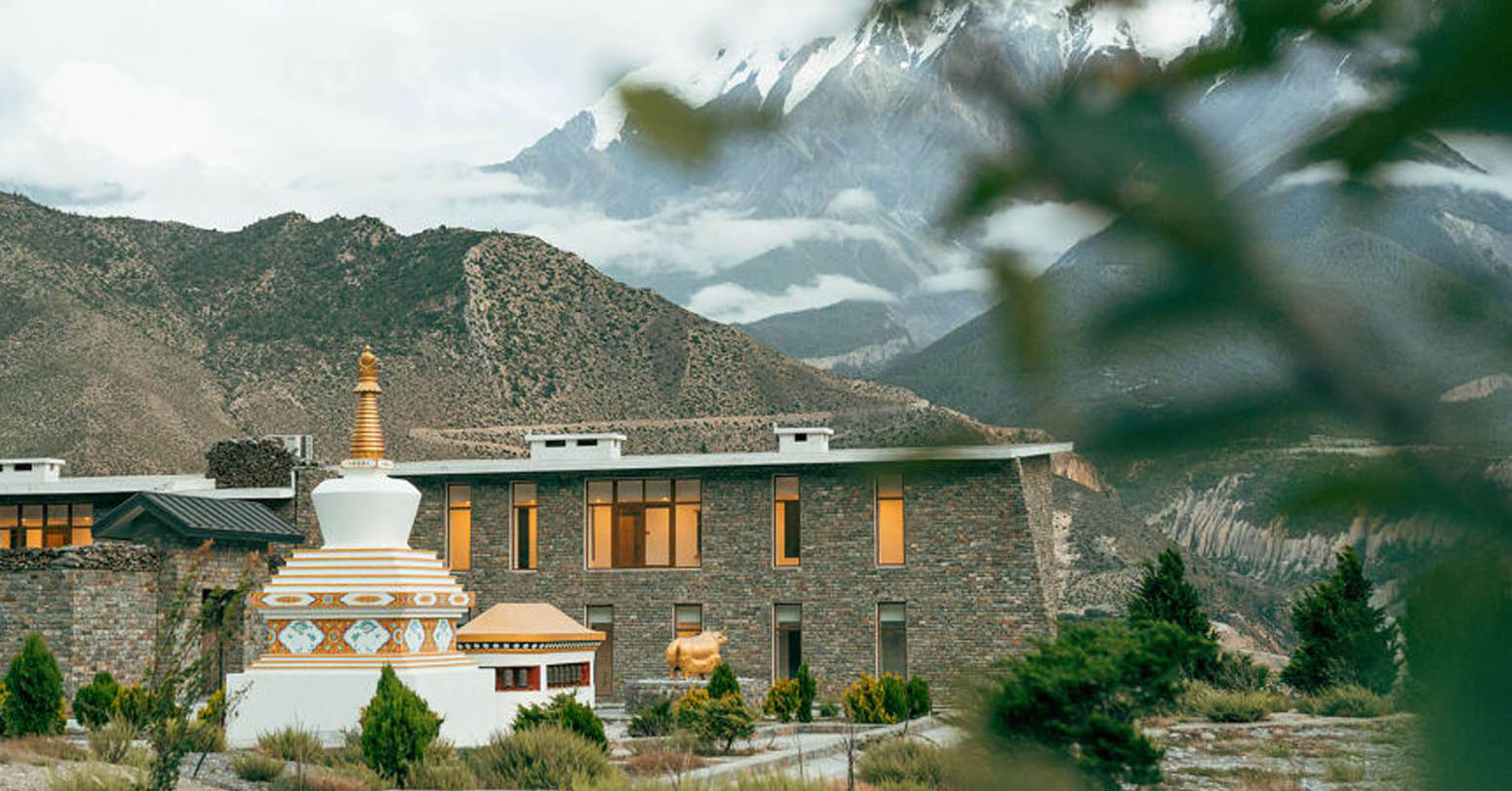
The combination of Buddhist heritage, sacred sites, monasteries, and serene natural surroundings provides Nepal with a distinctive advantage in the global wellness landscape.
Wellness Tourism: A Growing Economic Opportunity
The global wellness tourism industry is experiencing remarkable growth. Travelers today are seeking experiences that improve health, reduce stress, and promote personal transformation. Nepal has tremendous potential to become a preferred destination for wellness tourism.
Imagine wellness circuits connecting Lumbini, Kathmandu Valley, Pokhara, Janakpur, and Himalayan regions through integrated programs featuring Ayurveda, yoga, meditation, naturopathy, spiritual tourism, organic nutrition, and eco-friendly lifestyles. Such initiatives could generate employment, support local communities, preserve traditional knowledge, and attract international investment.
Wellness tourism can complement Nepal’s existing strengths in adventure tourism, trekking, mountaineering, and cultural tourism, creating a more diversified and sustainable tourism sector.
Research, Education, and Innovation
For Nepal to emerge as a global wellness capital, scientific research and evidence-based practices will be essential. Universities, health research centers, Ayurvedic colleges, and wellness institutions must collaborate to generate high-quality research on traditional healthcare systems.
International conferences, symposia, academic exchanges, and collaborative research projects can help bridge traditional wisdom with modern science. Digital health technologies, artificial intelligence, and innovative wellness solutions can further strengthen Nepal’s position in the global health ecosystem.
Institutions such as research centers, universities, and healthcare organizations have a critical role in developing skilled professionals capable of leading the future of wellness and integrative healthcare.
Government Support and National Vision
The transformation of Nepal into a global wellness capital requires a coordinated national vision involving government agencies, private sector stakeholders, academic institutions, and civil society organizations.
Policies supporting wellness tourism, medicinal plant conservation, Ayurvedic industries, yoga education, research funding, and international partnerships can create a strong foundation for long-term growth. Investment in infrastructure, quality standards, accreditation systems, and professional training will further enhance Nepal’s competitiveness.
A national wellness strategy could position Nepal as a leader in sustainable health, preventive medicine, and holistic well-being.
A Vision for the Future
The future of healthcare lies not only in treating illness but in creating healthier societies through prevention, wellness, and harmony with nature. Nepal possesses an extraordinary combination of natural beauty, spiritual heritage, traditional medical knowledge, and cultural diversity that can support this vision.
With the combined strengths of Ayurveda, Yoga, meditation, natural healing traditions, and scientific innovation, Nepal has the potential to become a global beacon of wellness and sustainable health.
As the world increasingly embraces holistic approaches to health and well-being, Nepal stands ready to lead a new era of wellness—one that promotes balance, resilience, happiness, and harmony for humanity.
The author is Research Director at Brahmabhumi Health Research Centre, Malangwa, Sarlahi, Madhesh province, Nepal
Janai Purnmina Being Marked Today
Catastrophic Flash Flood In Bhotekoshi
Water Level Again Increases In
Rasuwa’s Road Connection Restored
Forgiveness Ritual Held At Palanchowk
Bhotekoshi Flashflood: Rs 1.91 Billion