
















- Shruti Khadka
We all grew up hearing that today’s youth is a pillar of tomorrow. As of now the pillar of our nation seems to be ravaged and in shambles as the trend of moving abroad after completing basic level of education continues to plague the country. Empty classrooms and the increasing number of youths at the airport each day is the new normal.
Students moving abroad
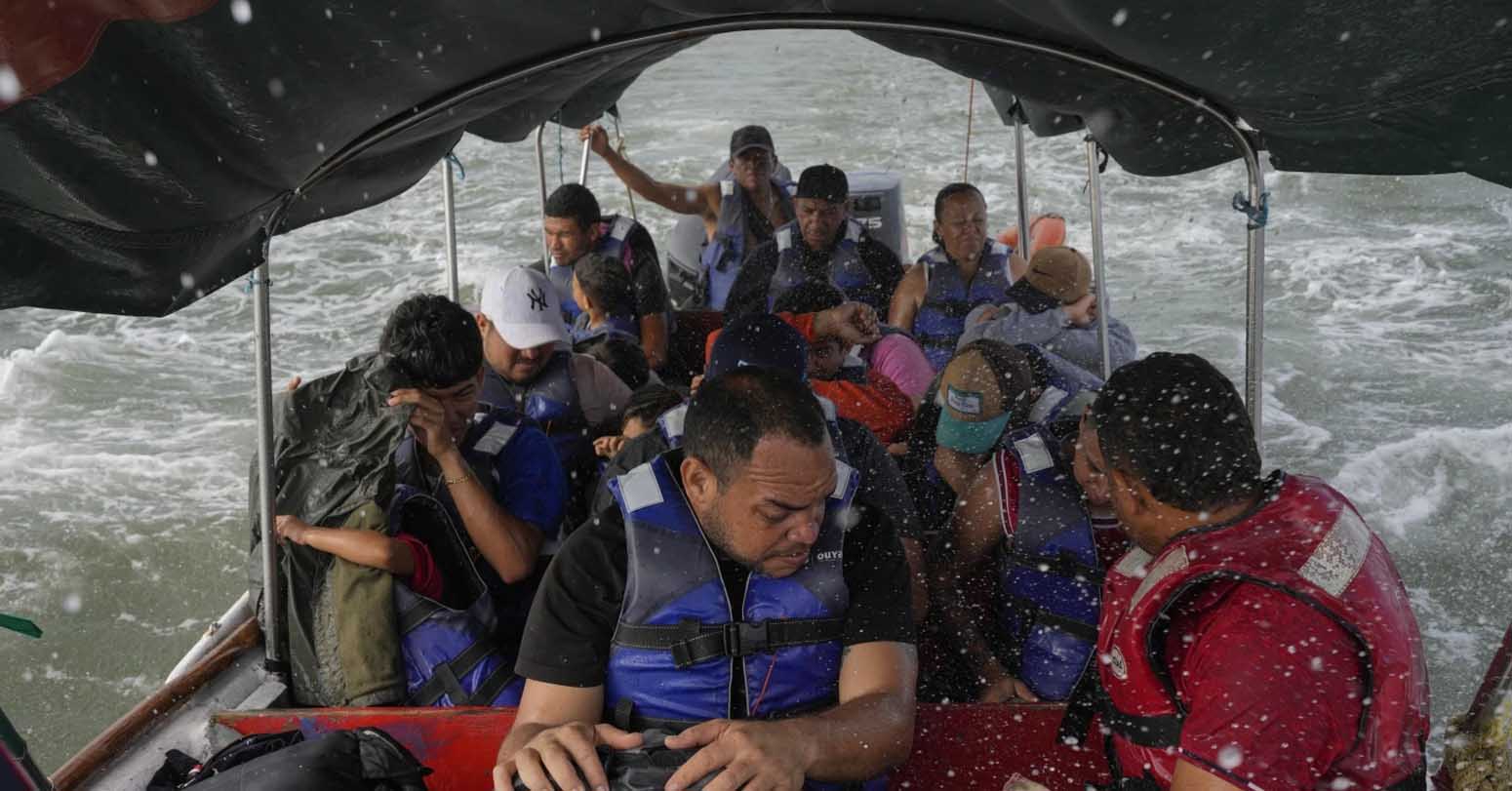
The impacts that the exodus of youths have been causing in our economy are manifold. The trend of moving abroad has been gaining currency , thanks primarily to our internal constraints. Over the past ten years, a total of 639,148 students have received a No Objection Certificate (NOC) to pursue higher studies overseas. As of mid-February 2025, Nepal issued 92,646 No Objection Certificate to students going abroad. Lack of proper education system , delayed exams , prolonged result publication and sheer obliviousness of the universities backed by political influence has failed to establish a culture of quality education in Nepal leading to youths crossing land and seas that they’ve never seen before. Once they have left the country (for good) in search of better oppurtunities, they have very low instances of returning back again. Although they claim to return and utilize their knowledge in Nepal , the statistics says otherwise. It is because of lack of job opportunities and financial stability at home. Had our education system been able to cater to the needs of students , provided practical education capable of job creation instead of just rhetoric and had kept the political influences on university at bay , Nepal would have been telling a different story. It is because of lack of oppurtunities at home to maintain a decent standard of living and have a secure future that this exodus has become paramount. Except a few , most of the students are found to have already made plans to pursue foreign education after completing their +2 or even bachelors. The cry of degree holders with no job opportunities have been heard since long but ignored hence students are compelled to move out. Some survive while struggling to make ends meet juggling between multiple jobs trading their slumber for the luxury of joining hand to mouth while getting burdened under education bills. Some get a comfortable lifestyle whereas some meet with unforeseen mishaps. The tragic fate of Bipin Joshi’s untimely and painful demise under hamas hostage is a glaring example of how students who embark to foreign land carrying big dreams often get crushed like a pawn amidst the game between opposing powers. The safety of students is compromised resulting in cascading domino effects coupled with tragedy and remorse. Human resources are the most crucial resource needed for any country to prosper and it is very saddening that our country has been continuously draining this asset.
Cries of migrant workers
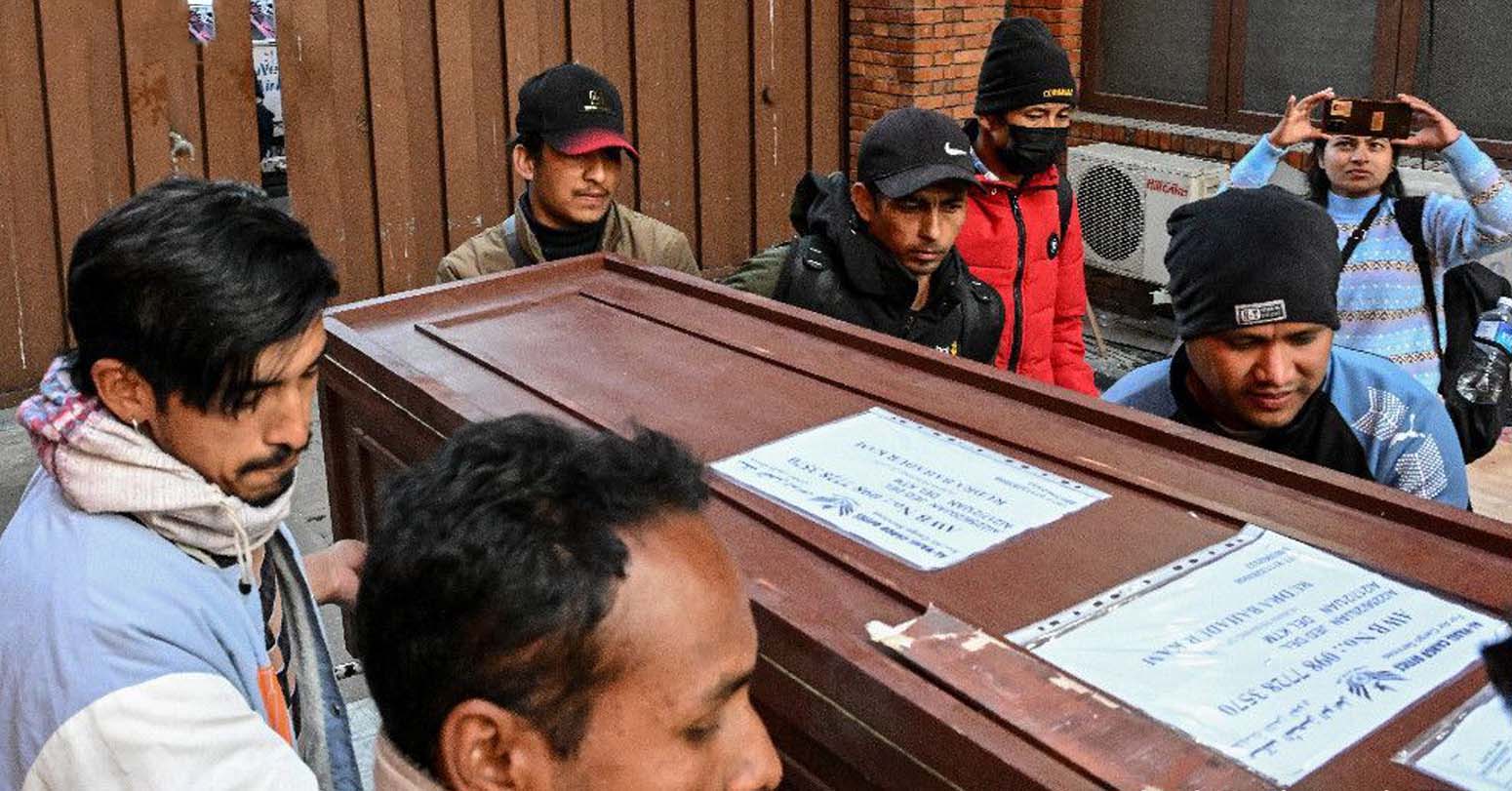
Our migrant workers have been backing up the ailing economy with their hard earned income via remittances. According to a data released on 16th November, 2025 by Nepal's central bank, remittances totaled Rs201.22 billion between mid-September and mid-October, up from Rs144.17 billion the previous year. 200,716 labor permit were issued in the first quarter of fiscal year 2025/26 which marks a surge of 17.65 % as compared to previous fiscal year. The airport filled with people replicating a trail of ants with sad faces is both heart-wrenching and thought provoking. How long will we continue to outsource our income from the gulf ? Safe space for work, proper training and proper institution for providing employment for our daily wage earner is a prerequisite to save them from physical, psychological and economical torment that they go through in the foreign employment cycle . Even for those who truly want to work abroad their migration and employment process needs to be transparent and the agency who loots the already poor populace needs to be legally regulated by leaving them no space to exploit the needy. The practice of seizing the passport and documentations of laborers to keep them under influence by employers leaving no way to escape no matter how much they are exploited is an example of grave violation human rights. The inhuman treatement of wage-earners, lack of nutritious food and clean space to live as well as proper health care have been exacerbating the number of death toll significantly. The abolishment of Kafala System by Saudi Arabia in June this year marks a right step on the way. But still there remains plethora of roadblocks needing to be countered. They leave their family back in the search for a better tomorrow. While some accompolish their goal of earning de l’argent and push themselves towards the strata of relatively affluent, some return in wooden boxes that is later drenched by the tears of the kith and kin they left behind. The golden dream of a better tomorrow is drained by the golden sunshine of the golf. Either way, we lose in the long run:be it people or manpower. Our workers build sky high buildings in foreign land while the fate of our infrastructure projects are left behind on dilemma.
Impact on Nepal
The outsourcing of our human resource in exchange for remittance seems like a good deal initially but it later turns out to be the very catastrophe that brings the whole country on the verge of obsoluteness. The outsourcing of human resources in exchange for remittances initially appears beneficial for Nepal. Migration allows individuals to increase their income, thereby sustaining their livelihood and enabling lower-income families to rise out of the cycle of poverty. Employment opportunities and income generation elevate the economic, social, and psychological status of migrants and their families, while also increasing consumption and activating the economy. Those who return bring with them newfound skills, knowledge, and business acumen, fostering entrepreneurship and contributing to infrastructure development through taxes and investment. Migration also facilitates global integration, expanding Nepal’s international outreach and economic diplomacy. Exposure to new technology and innovation spreads back to the homeland, contributing to digital development and resilience. Additionally, remittances bolster both personal bank accounts and the national treasury, while quality education, better healthcare, and strengthened human capital can be indirectly supported by these inflows. Overall, international exposure encourages youth to expand their horizons, fosters personal growth, independence, and improves the stability and security of life. However, the benefits come with significant drawbacks. The outflow of funds to pursue education abroad imposes a high financial burden, leaving students in long-term debt due to expensive tuition and living costs. Reduced college enrollments domestically can impact literacy rates and limit the development of local educational institutions. Structural risks emerge when demand for foreign labor decreases, leaving migrants with uncertain job prospects. Cultural adjustments, linguistic barriers, and social isolation can negatively affect mental health, while racial or cultural discrimination adds to the challenges. Many migrants face poor working conditions, overwork, and physically dangerous jobs, with limited legal protection under local laws. Visa complexities, uncertain employment prospects, and the absence of robust diplomatic safeguards further exacerbate vulnerabilities. Collectively, these factors highlight the complex trade-offs involved in labor and student migration from Nepal.
Vicious cycle
Surge in external migration resulting in dependency syndrome paving a way for the constant drainage of human assets, stagnant employment market and structurally handicapped economy, the vicious cycle of lack of oppurtunities at home leading to people choosing foreign land to the decrease in human assets leading to unproductive job sector and dependence on remittances will continue to torment the country.
Way forward
Until and unless this problem is properly addressed and the steps are proactively taken to check this, the talks of self dependent economy deems to be nothing but a pipe dream. Turning this distant dream into new reality takes practical and meaningful steps. Nepal needs to prioritize the provision of quality education, ensuring that universities, research facilities, and teaching standards are upgraded while embedding practical knowledge that prepares students for real-life challenges and job markets. Job creation with fair salaries and incentives in emerging sectors like IT, tourism, and green economy can reduce the compulsion to seek opportunities abroad. Programs that encourage students and workers to return, offering tax benefits, seed funding, or research grants, can help retain skills and knowledge within the country. Enhancing vocational and technical training will make Nepali workers globally competitive, while strong bilateral labor agreements and welfare mechanisms can safeguard the rights and well-being of migrant workers. Remittances need to be channeled toward productive investment, entrepreneurship, and infrastructure development, while building a global Nepali network can harness the skills and experiences of the diaspora for national growth. Simplifying business regulations, curbing corruption, and integrating migration and remittance policies into long-term development plans will ensure that benefits are sustainable. Empowering Nepali embassies to provide legal and social support, promoting safe and transparent migration processes, enforcing strict laws against exploitation, and including informal workers in social security systems are equally vital. Only through these comprehensive steps can migration transform from being a mere necessity into a strategic asset, fostering inclusive, resilient, and forward-looking development for Nepal.
Finding the right balance between the benefits and drawbacks of studying and working overseas is essential for sustainable development in Nepal. Although gaining international experience fosters personal development and generates economic benefits through remittances, it also leads to a considerable loss of skilled individuals and financial resources. Consequently, Nepal needs to implement comprehensive policies that improve local education and job opportunities, safeguard the rights of migrants, and leverage migration as a means for national progress. By incorporating human resources, effective use of remittances, and engagement with the diaspora into long-term development strategies, Nepal can shift migration from being an unavoidable outcome to a strategic asset for inclusive and resilient growth.
Middle-aged man spends millions to
Dr. Dharam Raj Upadhyay: Man
Children, Greatest Victims Of Sudan’s
Breathing The Unbreathable Air
Comprehensive Data Protection Law Critically
Gender Differences In Mental Healthcare