














A little over a month ago, an event in Nepal shook the entire nation. What began as a peaceful protest tragically erupted into violence within hours.
For me, September 8th was supposed to be a regular day. I was talking about the protests with my Nepali friends in class abroad. Returning home that afternoon and opening the news to reports that nearly sixteen youths had lost their lives left me stunned. The news was difficult to process. These were young people, my peers, with dreams and hopes just like mine. Just the day before, my friends and I had been talking about the protests, almost jokingly.
Now, to read that some of our friends had actually died? A deep grief settled in. I hoped everything would be better tomorrow, but the tragedy had already played out. Watching the images of everything slowly burning down broke me. I remember calling Mamu every hour, desperate to confirm that everything was safe near our home. Every time she didn't respond immediately, my heart would skip a beat.
Like me, every other Nepali living away from home was glued to the news. We cried as we watched Singha Durbar, our nation's pride, turn to ashes. The guilt—the guilt of not being there to stand up, of not being there with our families, the guilt of having left Nepal—had never felt this heavy. In that dark time, the messages from friends, the constant calls from Mamu, and the texts from Baba confirming he was safe were the only anchors that held us steady.
Returning to Nepal will never be the same. The streets will tell a different story now. The ashes of those who upheld a democracy over a century in the making, and the fragments of places like Bhatbhateni that hold our childhood memories, will stand as painful reminders of what was lost.
Today, more than a month later, the emotional distance has only sharpened the pain. Home no longer feels like the safe haven of my childhood dreams. It’s an unsettling irony; we studied political instability in grade ten history class, never imagining our generation would be the one fighting to restore it.
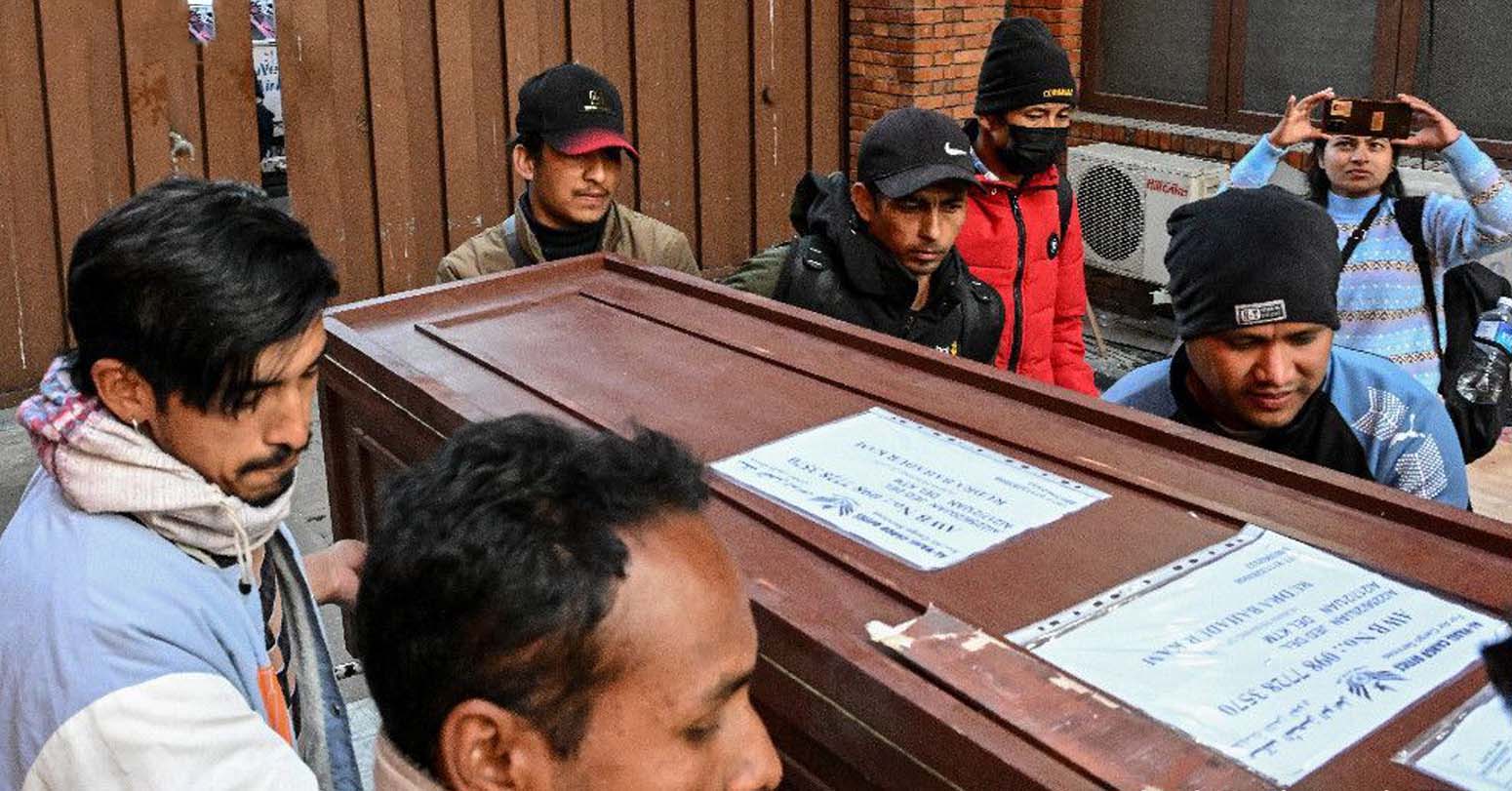
Yet, when my international friends talk about this event and praise the courage of the Nepali youth, my eyes shine brighter, and my chest tightens with an intense, unfamiliar pride. The realization hit me: this fight isn't just for the people on the ground in Nepal. It is for us, the diaspora, who moved abroad for a better future. It is for the thousands working grueling jobs in the Gulf to support their families. It is for every Nepali serving and dying in foreign border conflicts. Watching our generation become so politically concerned and so determined to bring the right leadership to power gives us a renewed sense of hope and trust. We believe in you to build the better Nepal we all dreamt of—a secure future that honors the sacrifices made.
The struggle belongs to all of us, wherever we may be. We may have left Nepal, but Nepal has not left us.
यो सामाग्री हाम्रा पाठकले पोस्ट गर्नु भएको हो । यसमा हामीले शुद्धाशुद्धी तथा भाषागत त्रुटीलाई हेरेका छैनौं । यसबाट पर्न गएको असुविधाप्रति क्षमा गर्नुहोला । – सम्पादक
Middle-aged man spends millions to
Dr. Dharam Raj Upadhyay: Man
Children, Greatest Victims Of Sudan’s
Breathing The Unbreathable Air
Comprehensive Data Protection Law Critically
Gender Differences In Mental Healthcare