











The pace of international polarization is accelerating. Russia's convergence with Asia's two largest economies, China and India, has sparked conversations over the region's smaller countries. International relations experts are skeptical of the neopolarization that is emerging in the world order. The body language and gestures of the leaders of the three nations attending the Shanghai Cooperation Organization summit attempt to anticipate the future world order. China, which had a normal economy until 1980, and India, which was far behind a decade ago, have now reached a comparable juncture. China is the world's second-largest economy, while India ranks fifth. However, India is anticipated to achieve fourth place by next year.
China, India, and Russia are all advancing at the same rate in terms of strategic strength, military strategy, industrial and human indices, economic trade, technology, and so on. Donald Trump, who won the US presidency for the second time, appears to have compelled India and China to sit on the same side as a consequence of tariff changes under the America First and Great America policies. India backed the United States and Ukraine against Russia's invasion of Ukraine. However, India did not agree to impose sanctions on Russia. China was also on Russia's side, and North Korea, which has close ties with China, dispatched troops to support Russia. Although India has maintained a balance in its relations with Russia and the United States, Trump's stance has forced it to align with Russia and China.
Russia supported India during the India-Pakistan conflict a few months ago. Despite their solid friendship, the United States was reluctant to bring India too close at the expense of Pakistan. The United States is likewise unsure about Ukraine. Trump's remarks on the Ukraine issue change every week. On the one hand, he believes that Europeans should be responsible for Europe's security, while on the other, he seeks a portion of Ukraine's minerals and regularly issues ultimatums to Russia, demonstrating that the US administration's foreign policy is unstable.
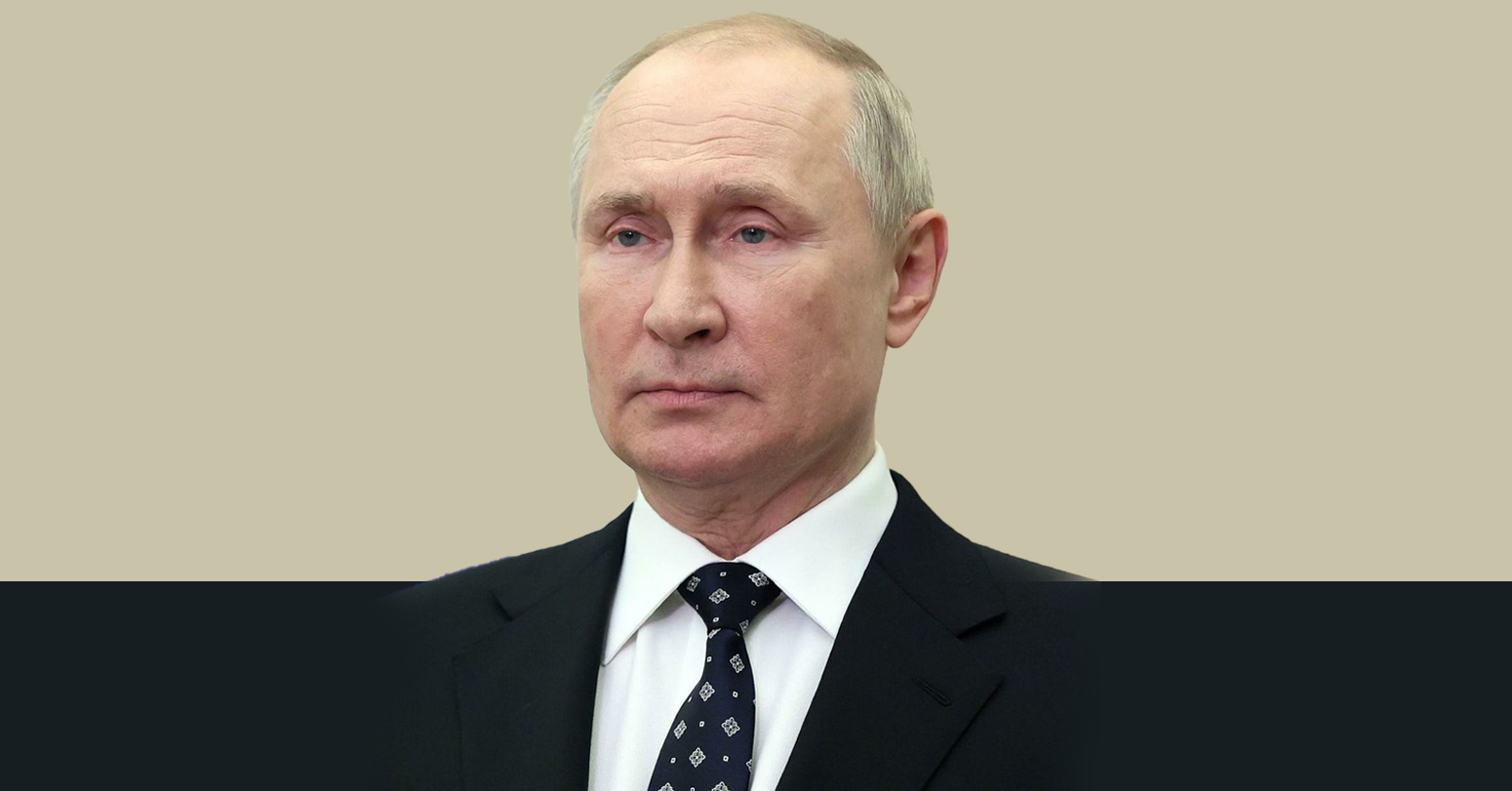
Trump's attempts to end the Israel-Hamas conflict as part of his ambition for the Nobel Peace Prize, as well as the Alaska conference to end the Ukraine war, fizzled. Last month, Russian President Vladimir Putin and US President Donald Trump met for three hours in Alaska, USA. However, the outcomes have not been positive. The current scenario of tariffs has alarmed other countries as well. It was logical for communist China, North Korea, and religiously dominated Iran to oppose the semi-democratic Russia-America. However, even India, the world's largest democracy, has joined forces with non-US allies. This situation seems like a major setback for the Trump administration. However, as a result of this failure, tiny nations' freedom and sovereign supremacy are at risk.
Whether it was motivated by security concerns or an ambition to broaden its influence in the region, Russia's war on Ukraine is enough to generate skepticism among the people of small countries. The fall of Russia's communist regime was followed by the sweeping wave of freedom, as well as a series of dissolutions and unifications in Eastern Europe. With the fall of the Soviet Union, Czechoslovakia and Yugoslavia had to bear the brunt of the division.
On the other side, East and West Germany united, resulting in the formation of a unified Germany. Russia's approach is anticipated to reintegrate the former Soviet Union under its cover. The superpower is actively involved in a battle with Ukraine, utterly ignoring the might of the United States and even powerful Europe. The list of individuals close to it is progressively rising. Regardless of how many sanctions the United States applies, India and China have become Russia's greatest markets, and it is unlikely to change anytime soon.
No matter how formidable the military alliance NATO is, if Russia, China, and India band together, it might be rendered ineffective. In this scenario, China's security alliance initiative proposal strokes the flames.
What happens to small countries like Nepal now? This question could be crucial. Nepalese Prime Minister KP Sharma Oli attended and addressed the Shanghai Cooperation Organization. Although he delivered a ceremonial address on regional ties, economic and trade concerns, and other formal topics, there was nothing substantial. There was no foundation for Nepal to provide a specific proposal in that forum and accept it. He just delivered a formal speech. But an important issue is also coming up. That is the security strategy proposed by China. The question remains of whether Nepal supports the Global Security Initiatives proposed by China or not.
Former Finance Minister Yubaraj Khatiwada, a member of the prime minister's visiting team, has stated that Nepal does not support any such security issue, but he has not been able to cover the question of support mentioned in the document issued by China. Foreign Secretary Amrit Bahadur Rai also maintained that the government is firmly committed to the nation's non-aligned foreign policy. Such a significant shift in international relations, polarization between major nations, and the poor position of small countries have aroused fears that smaller countries may eventually be crushed in the tusks of huge dragons and elephants, and this issue cannot be alleviated with a simple solution.
Middle-aged man spends millions to
Dr. Dharam Raj Upadhyay: Man
Children, Greatest Victims Of Sudan’s
Breathing The Unbreathable Air
Comprehensive Data Protection Law Critically
Gender Differences In Mental Healthcare