










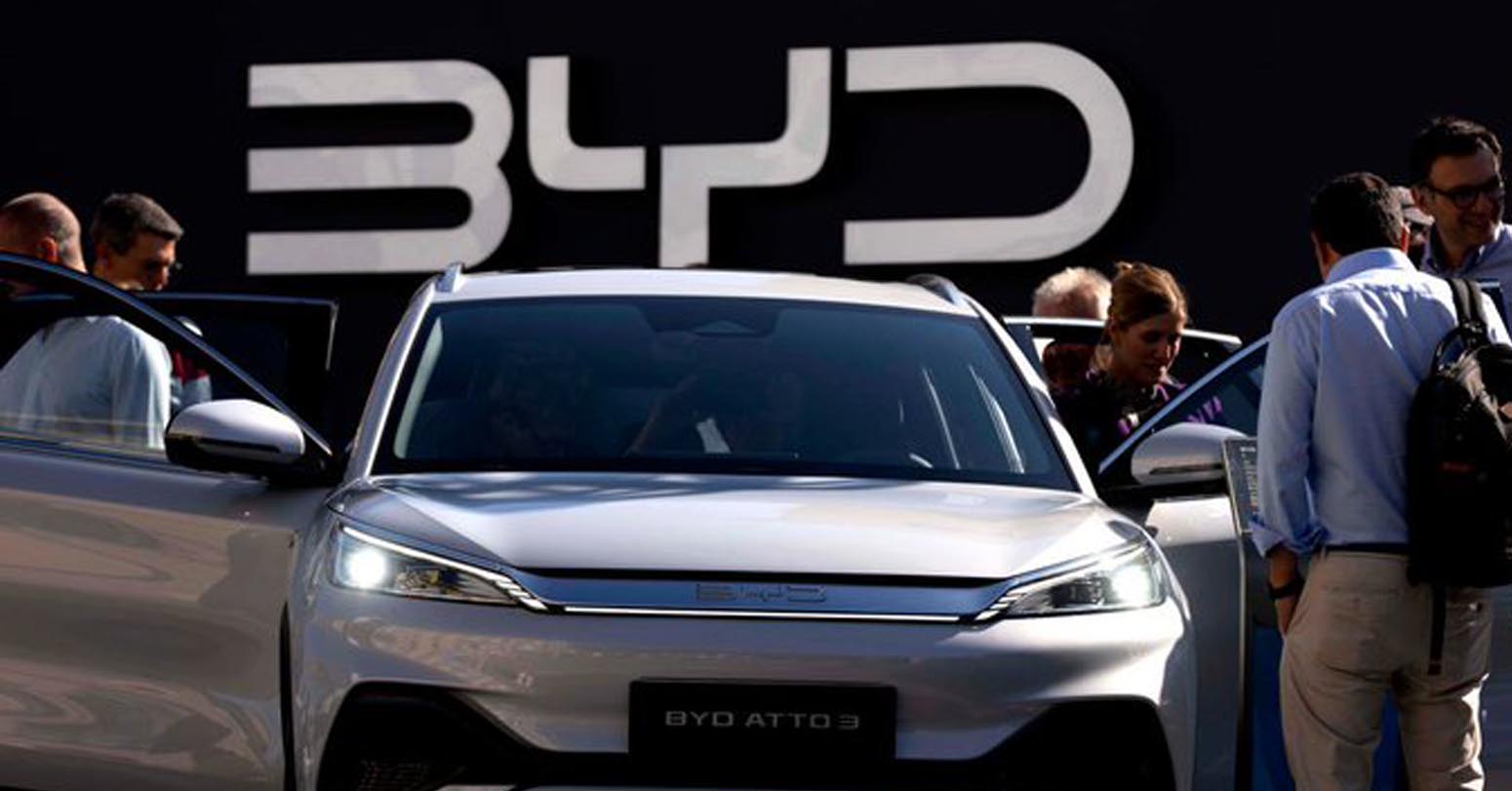






Cimex Inc. Pvt. Ltd., the authorized Nepalese distributor of BYD (Build Your Dreams) electric vehicles, has become embroiled in another major controversy while already facing scrutiny over allegations of undervaluing high-capacity electric vehicles (EVs) to secure customs and excise duty exemptions.
According to sources, Cimex Inc. is now under investigation for allegedly processing customs clearance for hundreds of vehicles that had not physically arrived within Nepal's customs jurisdiction. It is alleged that the company, in coordination with certain customs officials, facilitated customs inspections and clearance procedures based solely on documentation, despite the vehicles not being present at the customs checkpoint.
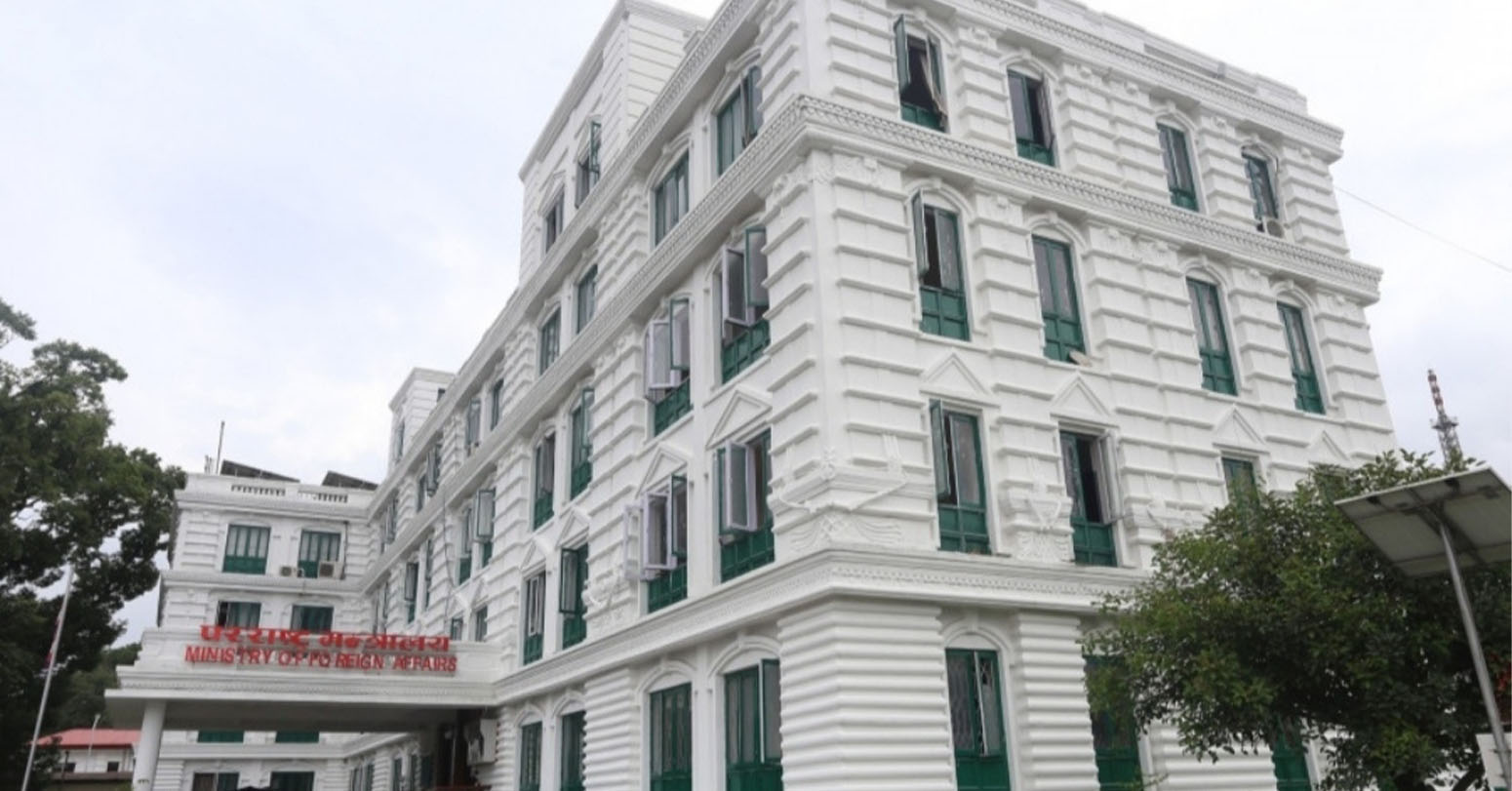
Sources indicate that both the Ministry of Finance and the Department of Customs have initiated investigations into the matter, focusing on Cimex Inc. and officials stationed at the Rasuwa Customs Office. A special investigation team has reportedly been deployed to the Rasuwagadhi border checkpoint to examine the circumstances surrounding the case.
Preliminary findings suggest that, anticipating a possible increase in EV tax rates in the upcoming fiscal year's budget, Cimex Inc. filed customs declarations and paid duties for approximately 200 vehicles. However, investigators reportedly found that fewer than 50 vehicles were physically present in the customs yard, while the remaining vehicles were still located in China, outside Nepalese territory.
The investigation team is currently reviewing customs declaration forms, CCTV footage, gate pass records, vehicle inventories, and other relevant documentation. Under Nepal's Customs Act, imported goods are generally required to physically arrive within the customs area before inspection and clearance procedures can be completed. Although certain expedited procedures may exist for vehicle imports, the legality of the reported actions remains under examination.
The case has generated further controversy amid allegations that BYD's distributor has exercised significant influence within political and bureaucratic circles. Critics claim the company has leveraged extensive connections across government institutions, including senior political leadership.
Customs Officials Recalled for Investigation
In connection with the case, the Department of Customs has recalled six officials from the Rasuwa Customs Office, including Chief Customs Officer Tulsi Prasad Bhattarai. Other officials under investigation include Officer Thakur Gautam, Customs Officer Khadga Bahadur Majhi, Computer Officers Sabina Adhikari and Prakash Pudasaini, and Officer Tej Bahadur Bal.
As per departmental sources, these officials are being investigated for allegedly facilitating irregular customs procedures that may have enabled tax evasion involving BYD vehicle imports.
Following the recall of the officials, the Ministry of Finance appointed Under-secretary Rajendra Dhungana as acting chief of the Rasuwa Customs Office. Reports also note that Dhungana had previously faced investigation by the Commission for the Investigation of Abuse of Authority (CIAA) regarding allegations of unexplained wealth accumulation.
An investigation team led by Deputy Secretary Surendra Pandey and Branch Officer Govinda Adhikari was dispatched to Rasuwa after reports emerged that customs declarations for nearly 200 EVs had been processed and duties paid before the vehicles arrived at the customs yard. The team reviewed customs records, declarations, and surveillance footage and reportedly found evidence suggesting inspections were conducted based solely on documentation rather than physical verification of the vehicles.
According to sources, preliminary findings indicate that customs procedures may have been manipulated to allow the importer to secure favorable tax treatment before potential changes in tax rates took effect. Existing customs regulations require inspection and verification processes to be completed only after goods physically arrive at the designated customs checkpoint.
The timing of the declarations—immediately before the announcement of the national budget—has intensified suspicions that attempts were made to expedite imports before anticipated tax rate adjustments. While customs officials have been subjected to investigation, questions remain regarding whether other individuals within the Ministry of Finance or revenue administration who may have provided advance information about potential tax changes should also be investigated.
Previous Tax Evasion Investigation Remains Unresolved
The latest controversy emerges while Cimex Inc. remains under investigation in a separate case concerning allegations of underreporting the capacity of high-powered electric vehicles to obtain customs and excise duty exemptions.
The Revenue Investigation Department, the Central Investigation Bureau (CIB) of Nepal Police, and other agencies have been investigating allegations that the company misrepresented the motor capacities of imported EVs, potentially resulting in significant revenue losses. In Ashadh 2081 B.S., authorities raided Cimex Inc.'s offices and seized documents related to the case. However, despite the passage of nearly two years and multiple changes in departmental leadership, the investigation has yet to reach a final conclusion.
The Office of the Auditor General has previously highlighted concerns that certain EVs imported through the Rasuwa and Tatopani customs points may have been taxed at lower rates after being declared with motor capacities below their actual specifications. The report estimated that approximately NPR 3.77 billion in government revenue could have been at risk.
Under Nepal's taxation framework, EVs with motor capacities below 100 kW qualify for lower customs and excise duty rates, whereas vehicles exceeding that threshold are subject to higher taxation. Authorities suspect that some importers may have exploited weaknesses in the system by declaring high-capacity vehicles as lower-capacity models.
A key challenge identified by investigators is the absence of a robust technical verification mechanism for independently assessing EV motor capacity, leaving customs authorities heavily reliant on importer declarations. This vulnerability has raised concerns that inaccurate declarations may have enabled certain importers to secure unwarranted tax benefits.
Although the Department of Customs initiated a post-clearance audit and reviewed multiple declaration forms, the investigation did not reach a definitive conclusion. Public attention to the matter increased further following complaints filed with the Commission for the Investigation of Abuse of Authority.
The recurrence of allegations involving the same company has prompted broader concerns regarding regulatory oversight, transparency, and accountability within Nepal's customs administration. Observers note that allegations of irregularities during budget periods—often linked to claims of influence, access, and corruption—have surfaced repeatedly over the years.
As investigations continue, public scrutiny is now focused on whether the current government and the Ministry of Finance will pursue the matter impartially and take appropriate action if wrongdoing is established.
Nepal’s Power Export Earnings Hit
Lionel Messi Once Held Baby
Egg Prices Rise Amid Bird
NRB Governor And PM Shah
Heavy Rainfall Expected In Various
Gold, Silver Prices Drop In