














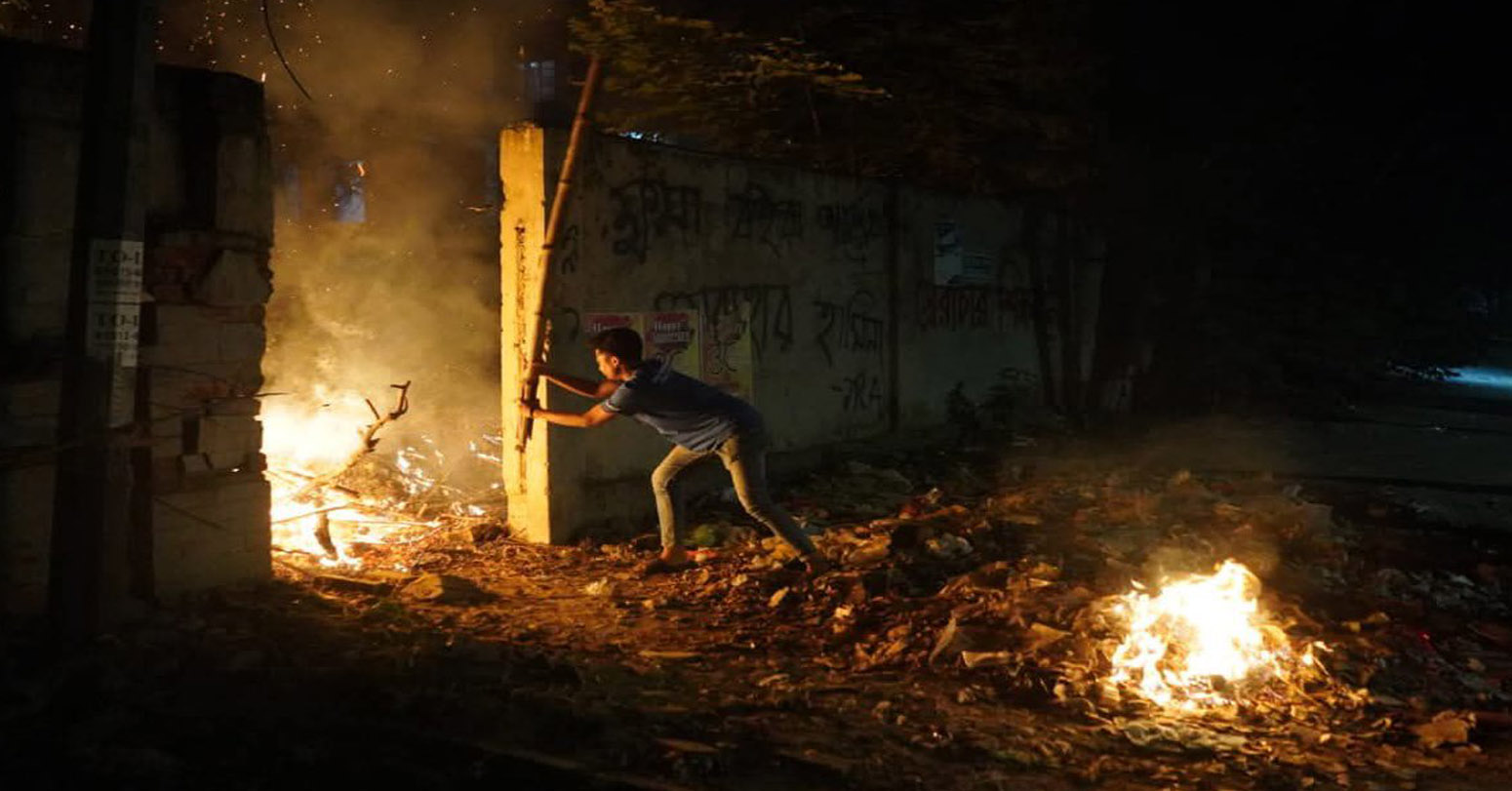

Bangladesh, the youngest nation in South Asia, is presently experiencing severe instability marked by inhuman violence, political disorder, and rising religious extremism. The country has increasingly become an example of directionless politics and movements lacking moral and institutional clarity. In recent times, following the killing of a young muslim man by an unidentified individual or group, extremist elements have reportedly sought revenge by targeting minority Hindu communities. The tragic incident involving the burning to death of a young Hindu man, Dipu Chandra Das, stands as an appalling manifestation of this brutality.
Sharif Osman Hadi, a student leader associated with the movement against the former Prime Minister Sheikh Hasina, succumbed to his injuries after being shot by unknown assailants. Since his death, attacks against religious minorities have continued unabated. The radical religious–political forces operating under the banner of the Islamic Republic have allegedly intensified violence and repression against minority communities. Historical precedents from Pakistan—created in 1947 on the basis of religion—demonstrate a similar trajectory. At the time of its formation, Hindus constituted over 21 percent of Pakistan’s population. However, within less than eight decades, systematic pressure, forced religious conversions, coerced marriages, denial of state services, property seizures, and intimidation have reduced the Hindu population to approximately eight to nine percent. Academic studies and human rights reports have documented this steady decline.
A comparable pattern is evident in Bangladesh. When East Pakistan emerged as an independent Bangladesh in 1971, Hindus reportedly comprised at least 23 percent of the population. Since then, due to continued discrimination, violence, and forced migration, their proportion has steadily decreased. The ongoing exploitation, oppression, and repression of religious minorities in both Bangladesh and Pakistan constitute grave violations of human rights and stand in direct contradiction to international human rights principles.
Religious extremism began to intensify after the assassination of Sheikh Mujibur Rahman, the founding leader of Bangladesh, less than four years after independence. The atrocities committed during the 1971 war—particularly the destruction of villages inhabited by Hindu communities—have resurfaced in public memory. Over the past five decades, Bangladesh has experienced repeated cycles of religious extremism, military authoritarianism, and political anarchy.
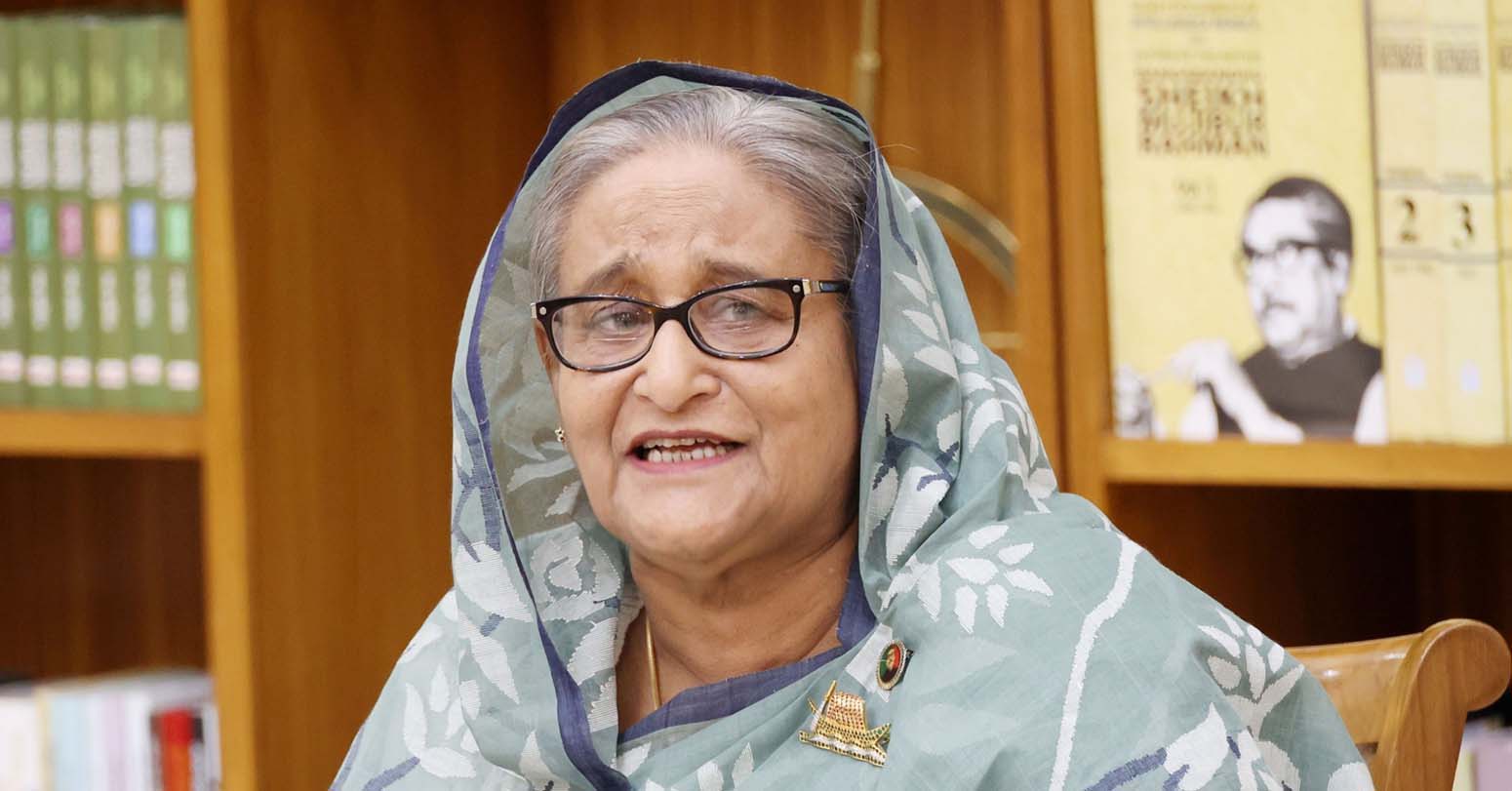
The assassination of Sheikh Mujibur Rahman and subsequent military dominance have left lasting scars on the nation’s political fabric. As the legacy of the liberation movement fades, tensions between India and Bangladesh appear to be increasing. This has been further exacerbated by the violent movement that removed Sheikh Hasina from power and the subsequent attempts to strengthen ties with Pakistan. India’s refusal to extradite Sheikh Hasina, who sought refuge there after her removal, is widely viewed as a decision grounded in humanitarian, cultural, and political considerations.
While Nobel Laureate Dr. Muhammad Yunus has been installed as an adviser by the protest movement, effective power is widely perceived to rest with the military and radical Islamist youth groups. This context may help explain the imposition of the death penalty on Sheikh Hasina. Despite allegations that her government weakened democratic institutions—evidenced by opposition boycotts of elections—her leadership also coincided with economic growth, regional cooperation, and increasing engagement with India, China, and Nepal, particularly in the energy sector.
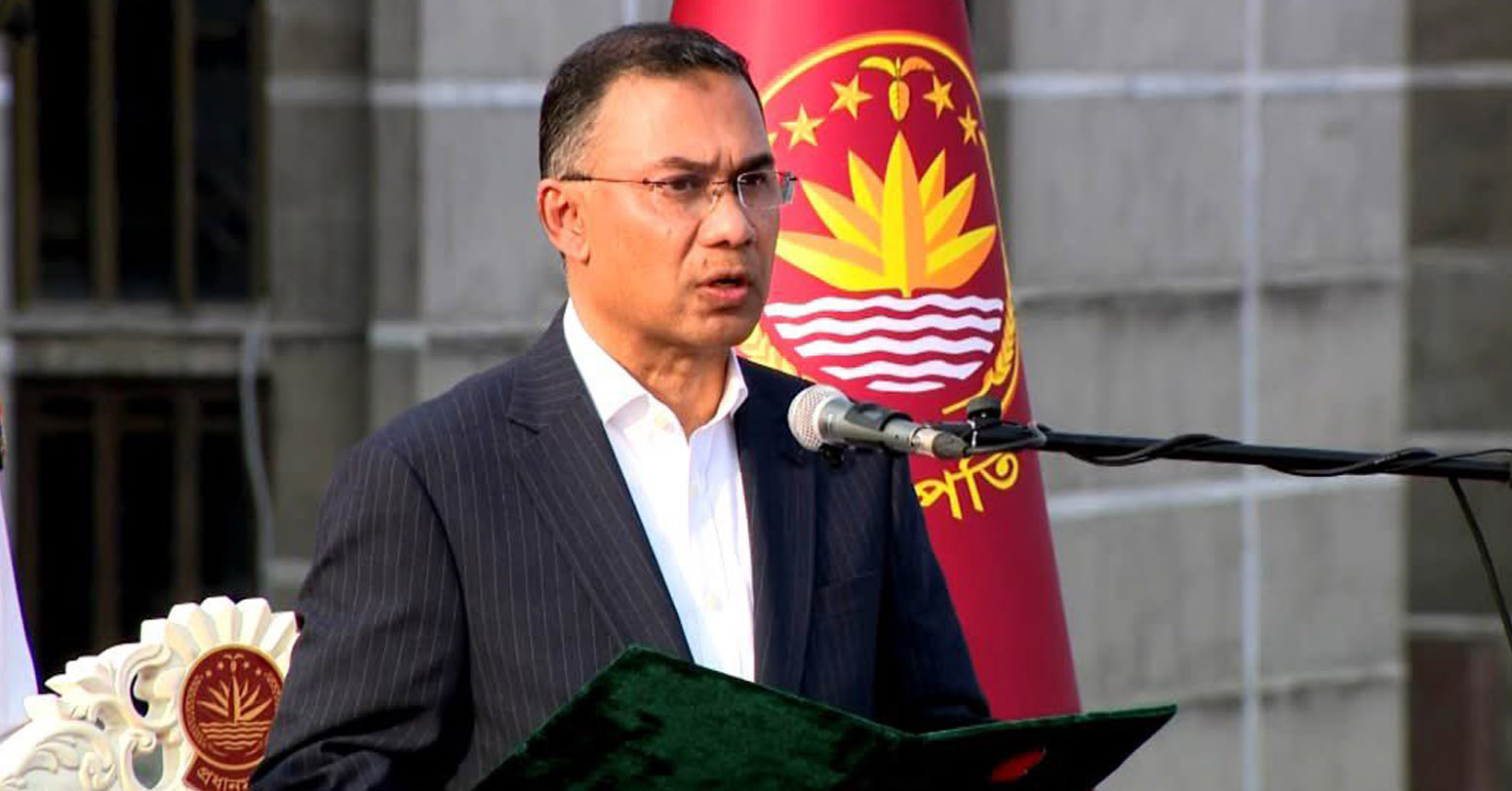
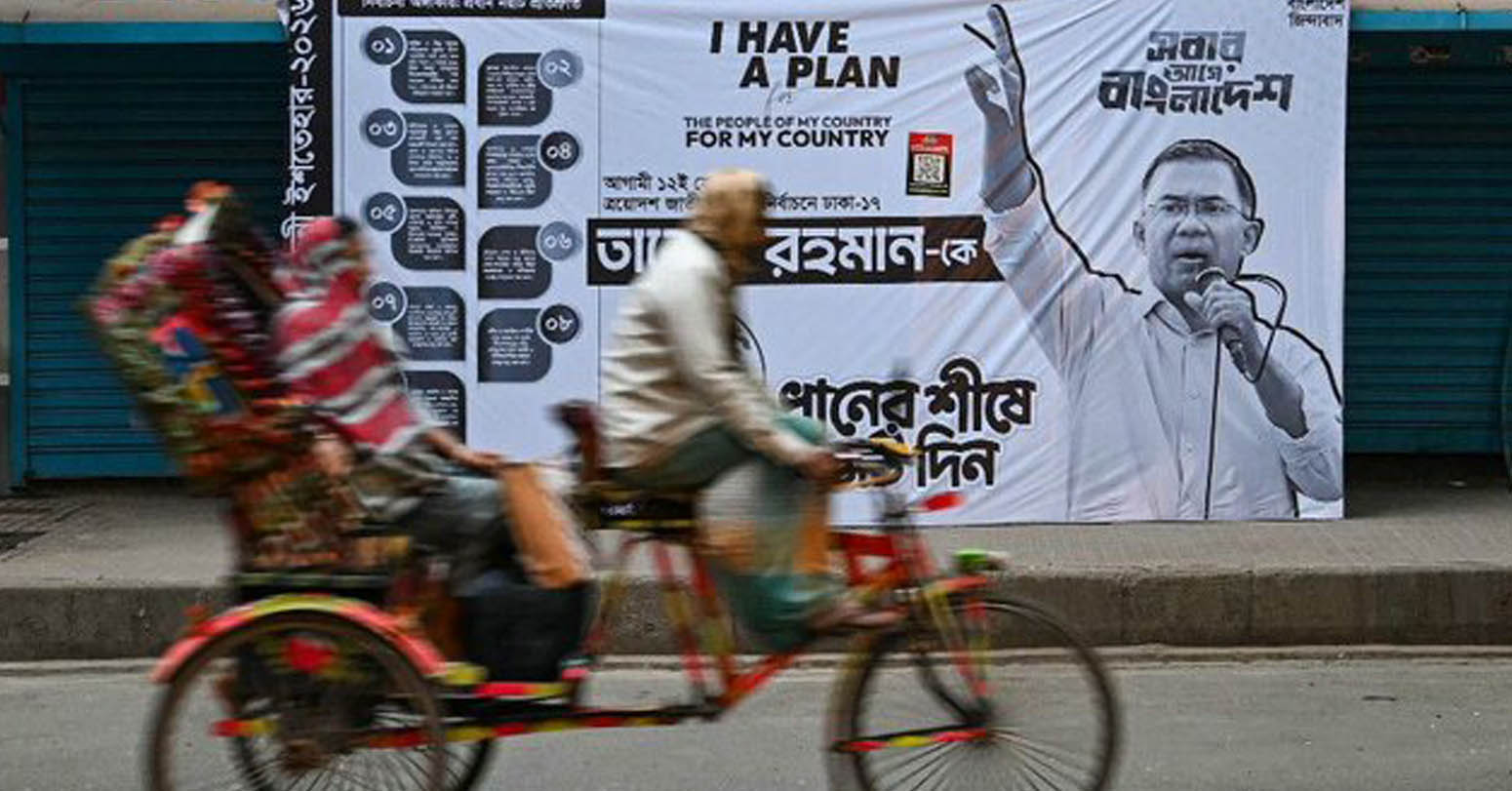
Sheikh Hasina’s fall from power resulted from a combination of internal conflicts and external pressures, including the longstanding rivalry between her and Khaleda Zia. Bangladesh has previously experienced governance under Khaleda Zia, the widow of former President Ziaur Rahman. Following Sheikh Hasina’s removal, Khaleda Zia’s son has returned from exile to re-enter politics, a development that has drawn international attention.
A broader and troubling question emerges from these developments: why are Hindus and Jews so often the primary victims of radicalism carried out in the name of Islam across different regions of the world? While other conflicts—such as those involving the Rohingya in Myanmar—present different dynamics, it is nevertheless striking that many global terrorist organizations and incidents are associated with extremist interpretations of Islam. This raises serious concerns about the nature of teachings in certain religious institutions and whether values of humanity, tolerance, and coexistence are being sufficiently emphasized.
Equally alarming is the apparent silence of the international human rights community, which is often vocal in response to minor incidents, yet has largely failed to respond to severe atrocities such as the burning alive of a Hindu in Bangladesh. Even in countries like Nepal, which hosts the world’s largest Hindu population and is largely free from religious extremism, religious organizations and human rights groups have remained conspicuously silent. Despite reports of burned homes, destroyed temples, ruined businesses, and widespread fear among minority Hindus in Bangladesh, there have been no significant protests or demonstrations, even at Bangladeshi diplomatic missions abroad.
In light of these grave circumstances, there is an urgent need to call upon the Government of Bangladesh to ensure the safety of religious minorities, protect their lives and property, and uphold fundamental human rights in accordance with international norms.
Middle-aged man spends millions to
Dr. Dharam Raj Upadhyay: Man
Children, Greatest Victims Of Sudan’s
Breathing The Unbreathable Air
Comprehensive Data Protection Law Critically
Gender Differences In Mental Healthcare