










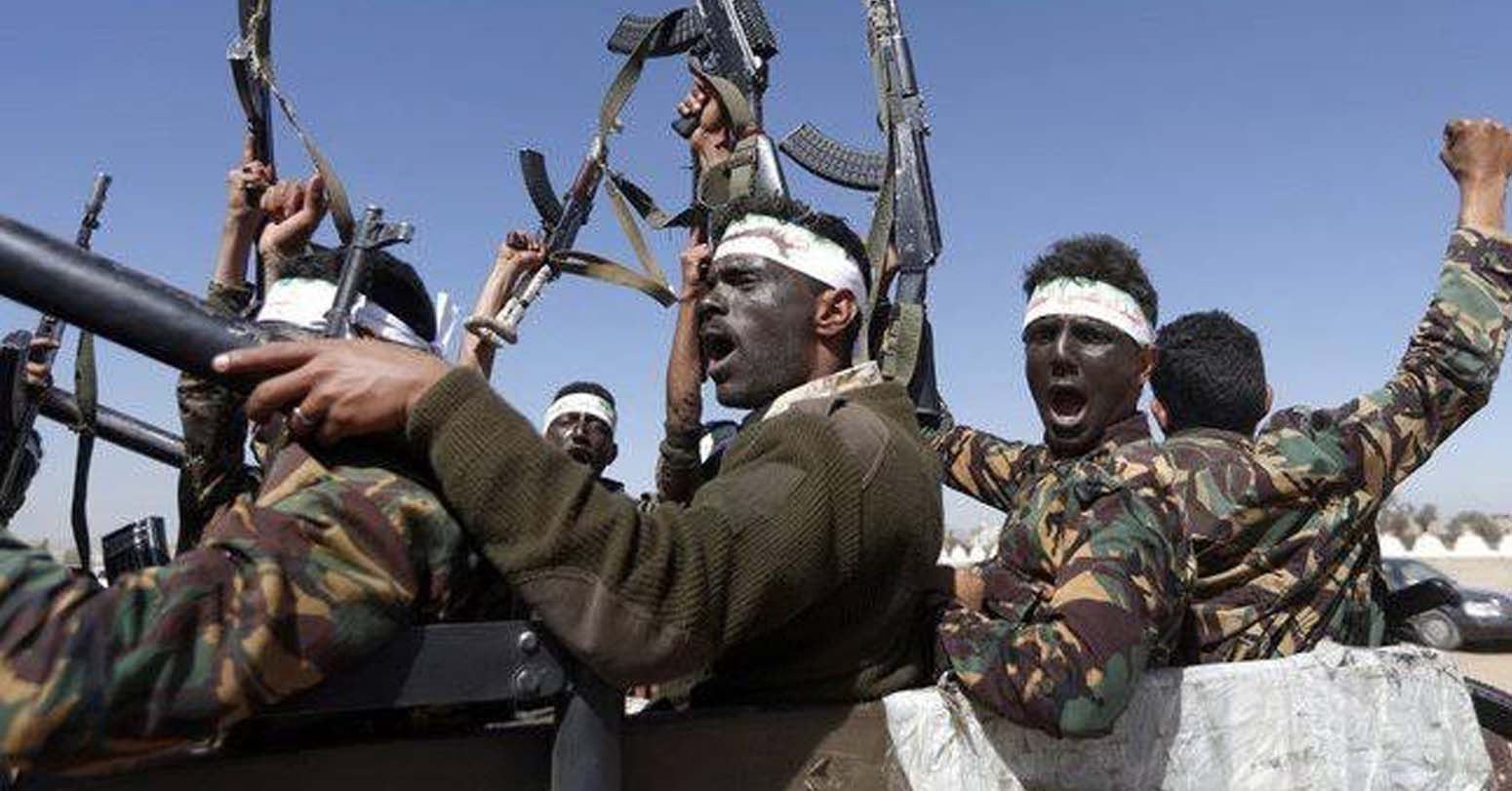








Yemen's Houthi group said Wednesday it launched ballistic missile attacks on Saudi oil tankers off Yanbu in the northern Red Sea and in the Gulf of Aden, expanding a maritime campaign that has already significantly disrupted Saudi crude exports through the Bab al-Mandab Strait.
While the Houthis frame their campaign as a "blockade-for-blockade" response to Saudi restrictions on Houthi-controlled areas of Yemen, experts say the escalation is the culmination of years of unresolved tensions between the two sides.
By targeting Saudi shipping in the Bab al-Mandab Strait at a time when traffic through the Strait of Hormuz is already constrained, the Houthis are forcing Riyadh into a dilemma: absorb the pressure and risk emboldening the Houthis, or respond more forcefully and risk reopening a costly war.
HOW SIGNIFICANT IS THE IMPACT?
Houthi military spokesperson Yahya Sarea said early Wednesday that the tanker "Wafa" was targeted off Yanbu, one of Saudi Arabia's main western oil export hubs.
He claimed the strike brought to eight the number of Saudi oil tankers targeted since the campaign began and said another 29 had been forced to turn back.
In a later statement, Sarea said the group had targeted another Saudi oil tanker with a ballistic missile in the Gulf of Aden.
The spokesperson said the tanker, identified as "Daisy," was hit by a ballistic missile and "forced to turn back."
The claims could not be independently verified, and Saudi authorities had not immediately commented.
Shipping data show Red Sea traffic has been severely disrupted since July 20, when the Houthis announced a maritime ban on Saudi-linked shipping in response to what they alleged was a Saudi blockade of Houthi-controlled areas of Yemen.
According to maritime data firm Kpler, crude loaded at Yanbu and transiting the Bab al-Mandab Strait has fallen by roughly half, from about 3 million barrels per day before the attacks to around 1.5 million barrels per day.
Despite the threat of Houthi attacks, Saudi-loaded tankers continue to use the waterway. With shipping through the Strait of Hormuz disrupted by the wider conflict, Saudi Arabia has increasingly relied on its East-West Pipeline to transport crude from eastern oilfields to Yanbu. Much of the oil destined for Asia is then shipped south through the Bab al-Mandab Strait.
WHAT IS DRIVING THE ESCALATION?
The path to the current confrontation began with a dispute over aviation rather than oil.
On July 3, an Iranian aircraft landed at Houthi-controlled Sanaa airport and picked up a delegation traveling to Tehran for funeral ceremonies for Iran's late Supreme Leader Ali Khamenei.
Tensions surged on July 13 when the same aircraft returned. Yemen's government said it struck Sanaa airport's runway to prevent landing, forcing the plane to divert to Hodeidah on Yemen's Red Sea coast.
The Houthis blamed Saudi Arabia for the attack, and subsequently claimed strikes on Abha airport in southwestern Saudi Arabia, their first announced strikes against the kingdom since direct fighting largely subsided in 2022.
On July 20, they expanded the confrontation to Saudi-linked shipping.
The Houthis accuse Riyadh of imposing a blockade by restricting Sanaa airport and northern seaports. Saudi Arabia rejects that characterization, saying hundreds of commercial vessels continue to reach Houthi-controlled ports and that inspections are intended to prevent weapons smuggling.
Behind the competing narratives lies an unfinished negotiation.
Saudi-Houthi talks following the 2022 UN-brokered truce came close to a preliminary roadmap in late 2023 before stalling. The Houthis have repeatedly demanded fewer restrictions on airports and ports, payment of public-sector salaries in their regions from Yemen's oil and gas revenues controlled by the Saudi-backed government, a comprehensive prisoner exchange, and Saudi financing for reconstruction and compensation. They also seek an end to Saudi military involvement and support for Yemeni factions opposed to them.
Yemeni political analyst Yasin Al-Tamimi told Xinhua that the recent escalation is mainly intended to strengthen the Houthis' negotiating position and secure further concessions. He said the move "cannot be separated from Iran's broader regional agenda," adding that "Tehran and its allies have previously targeted Saudi facilities."
WHAT ARE SAUDI ARABIA'S OPTIONS?
So far, Saudi Arabia has refrained from launching a large-scale retaliation against the Houthi attacks.
The kingdom's restraint does not reflect an inability to strike the Houthis, but rather a reluctance to "return to another prolonged conflict after years of inconclusive warfare," said Aden-based analyst Muqbil Naji.
Years of Saudi-led military operations failed to dislodge the Houthis from Sanaa and much of northern Yemen, while the group had developed missiles and drones capable of reaching Saudi cities, airports, and energy facilities.
Naji noted that Riyadh has "extensive infrastructure, investments and development priorities to protect, while the Houthis have spent years operating under wartime conditions."
Saudi Arabia would prefer Yemen's internationally recognized government to shoulder more responsibility for confronting the Houthis, he added, but divisions among its factions have limited the government's ability to mount a unified challenge.
That leaves Riyadh with three difficult options: keep diplomatic channels open, strengthen maritime protection through the multinational defense coalition it is assembling, or widen military strikes against the Houthis.
None guarantees an easy exit. Maritime defenses can reduce but not eliminate the threat, while a broader military campaign could trigger renewed attacks deep inside Saudi Arabia and reopen an open-ended war, according to Naji.
Analysts believe that, for now, the Houthis appear to be testing how much pressure Riyadh is willing to tolerate to avoid another broader conflict, while Saudi Arabia is seeking a way to restore deterrence without triggering a large-scale war. The stakes of the next moves by both sides extend far beyond Yemen and Saudi Arabia, with potential consequences for Red Sea shipping and global energy markets.
-XINHUA
Govt Report Raises Serious Concerns
Population Management, Migration And Urbanization
Erling Haaland Is Norway’s World
Lionel Messi Once Held Baby
Music Industry Launches AI-Generated Content
Mikel Merino Stars Again As